
Technical Evaluation: Process Differences and Hygiene Control for New vs. Recycled Barrel Washing in 18.9L Spring Water
Technical Evaluation: Process Differences and Hygiene Control for New vs. Recycled Barrel Washing in 18.9L Spring Water Production
For procurement managers and operations leads evaluating 18.9L bottled water equipment, the choice between using new (disposable) and recycled (returnable) barrels fundamentally dictates the design of your washing and filling line. While new barrels present minimal contamination risk, recycled barrels introduce complex hygiene challenges that must be managed through rigorous engineering controls. This article addresses the core concerns of technical evaluators regarding process complexity, hygiene risks, and equipment selection for spring water filling equipment.
Direct Conclusion: Process Complexity and Hygiene Requirements
Recycled barrel processing requires a significantly more complex washing sequence than new barrels. To ensure product safety and compliance with hygiene standards, recycled barrel lines must integrate cap removal, external brushing, multi-stage internal washing, and chemical/thermal disinfection. New barrel lines can often bypass these steps, focusing instead on air rinsing or simple dust removal. The selection of cleaning agents, temperature, contact time, and rinse water quality must be defined in your project’s process documentation to mitigate cross-contamination risks effectively.
Why the Distinction Matters for Line Design
The core difference lies in the source of contamination. New barrels are manufactured in controlled environments and typically only carry surface dust or static-induced particles. In contrast, recycled barrels have been exposed to consumer handling, transport logistics, and potential microbial growth during storage.
According to industry best practices for bottled spring water production lines, the washing process for recycled containers is not just about cleanliness; it is a critical control point for preventing cross-contamination. Chuxin Mingwei’s engineering approach emphasizes matching equipment capabilities to these real-world operational contexts, ensuring that the washing section of the line effectively mitigates the higher risk profile of returnable packaging.
Detailed Process Comparison
1. New Barrel Processing: Simplicity and Efficiency
For lines utilizing disposable barrels (such as certain PET formats or single-use PC), the primary goal is to remove particulate matter without introducing moisture or chemicals that could affect the seal or taste.
- Process Steps:*
- Air blow-off → Internal air rinse → Filling.
- Key Focus:*
- Preventing secondary pollution from the washing medium itself. Since no water or chemicals are used, the quality of the compressed air (oil-free, dry) becomes the critical variable.
- Equipment Implication:*
- Simpler mechanical structure, lower utility consumption (no water treatment for wash water needed), and faster cycle times.
2. Recycled Barrel Processing: Multi-Stage Hygiene Control
Recycled barrels, particularly standard 18.9L (5-gallon) units, require a comprehensive cleaning workflow. As noted in our technical guidelines for barrelled water equipment, this process typically includes:
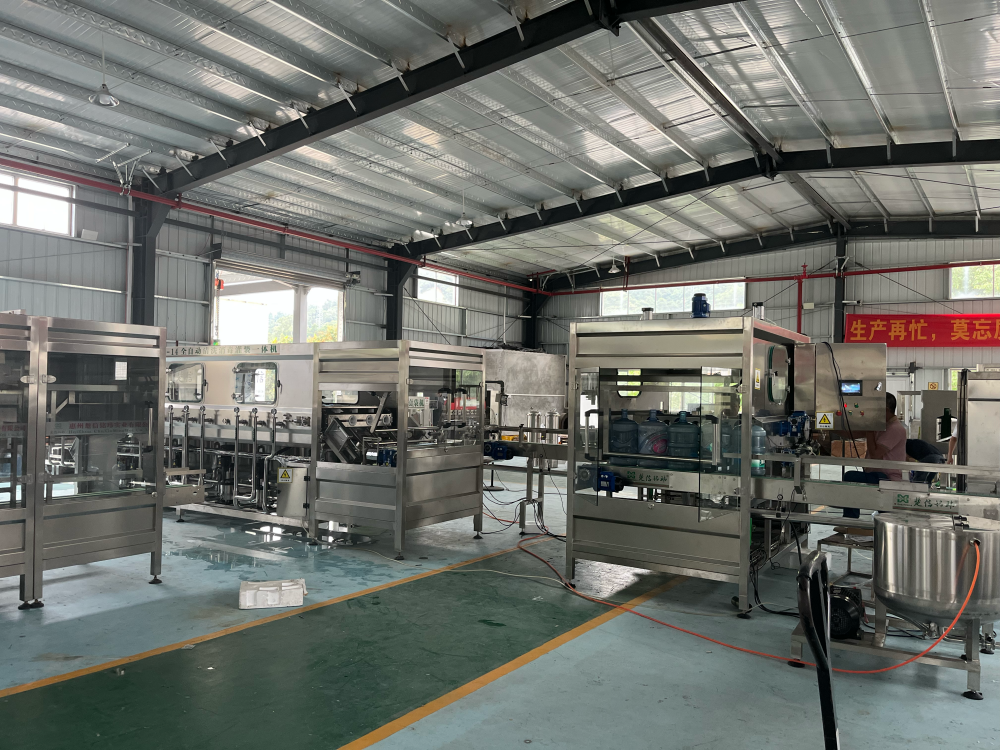
- Cap Removal (Decapping): Automated removal of the old cap to allow access for internal cleaning.
- External Brushing/Washing: Removal of dirt, labels, and biofilm from the exterior surface to prevent contamination of the machine interior and final product.
- Internal Pre-rinsing: High-pressure flushing to remove loose debris and residual liquid.
- Chemical/Thermal Washing: Application of approved cleaning agents (e.g., caustic soda or specialized detergents) at controlled temperatures to break down organic residues and kill microorganisms.
- Intermediate Rinsing: Removal of cleaning chemicals.
- Disinfection: Use of ozone, chlorine dioxide, or hot water to achieve the required log reduction of pathogens.
- Final Rinse: Using purified water (often the same quality as the product water) to ensure no chemical residue remains.
This multi-step process directly impacts the footprint of the washing machine and the utility requirements (water, steam, electricity) of the entire facility.
Critical Control Points for Hygiene Risk Management
When evaluating or designing a recycled barrel washing system, technical teams must focus on three key variables:
A. Cleaning Agent Selection and Concentration
The efficacy of the wash depends on the correct chemistry. However, as highlighted in our FAQ on water treatment systems, the choice of agent must balance cleaning power with rinseability. Residual chemicals can alter the taste of the water or pose health risks. The concentration must be monitored continuously, and the system should include automatic dosing controls to maintain consistency.
B. Temperature and Contact Time
Heat enhances the effectiveness of most cleaning agents. For recycled barrels, maintaining a specific temperature during the wash cycle is crucial for breaking down stubborn biofilms. However, excessive heat can deform polycarbonate (PC) barrels if they are near their thermal limit. Therefore, the washing machine must offer precise temperature control and sufficient residence time in each stage to ensure thorough cleaning without damaging the container.
C. Quality of Final Rinse Water
The final rinse water must meet the same purity standards as the drinking water being produced. If the rinse water contains impurities, the entire washing effort is negated. Chuxin Mingwei’s integrated solutions often link the final rinse supply directly to the plant’s reverse osmosis (RO) or ultrafiltration (UF) system, ensuring consistent quality. For NF spring water equipment, this might involve a dual-membrane NF + UF process to balance purification with mineral retention, while purified water lines typically use dual-stage RO.
Implementation Boundaries and Next Steps
Implementing a recycled barrel line requires careful planning of utility connections and wastewater management. The washing process generates significant volumes of wastewater containing cleaning agents and organic load, which must be treated before discharge. Additionally, the integration of the washing unit with the filling and capping sections must be seamless to prevent bottlenecks.
Chuxin Mingwei delivers end-to-end engineering services, including design, manufacturing, installation, and commissioning. Our team ensures that the washing capacity matches the filling speed (e.g., 200–1,800 bottles/hour for 18.9L lines) and that the clean air support systems (ISO Class 8 or higher) protect the washed barrels from airborne contamination during the filling process.
Frequently Asked Questions
Q: Can I use the same washing parameters for all types of recycled barrels?
A: No. Parameters such as pressure, temperature, and chemical concentration must be adjusted based on the material of the barrel (e.g., PC vs. PET) and the level of contamination. Always refer to the manufacturer’s process documentation and conduct validation tests.
Q: Is external brushing necessary for all recycled barrels?
A: Yes, for most returnable scenarios. External dirt can contaminate the internal washing jets and the filling valves. Removing external contaminants first protects the integrity of the internal cleaning process and extends the life of the equipment.
Q: How do I verify that the washing process is effective?
A: Regular microbiological testing of the final rinse water and swab tests of the barrel interiors after washing are essential. These tests should be part of your standard operating procedures (SOPs) and documented for quality assurance audits.
Conclusion
Choosing between new and recycled barrel processing is a strategic decision that affects your line’s complexity, cost, and hygiene performance. Recycled barrels demand a robust, multi-stage washing system with strict controls on chemistry, temperature, and water quality. New barrel processing is simpler but requires high-quality compressed air. By partnering with an experienced manufacturer like Chuxin Mingwei, you can ensure that your spring water filling equipment is engineered to handle these challenges efficiently, delivering stable and compliant products to your customers.
Next Step:
To determine the optimal configuration for your facility, please contact our engineering team for a site-specific assessment. We will evaluate your source water quality, target capacity, and packaging format to propose a tailored solution that balances hygiene, efficiency, and long-term maintainability.
Recommended
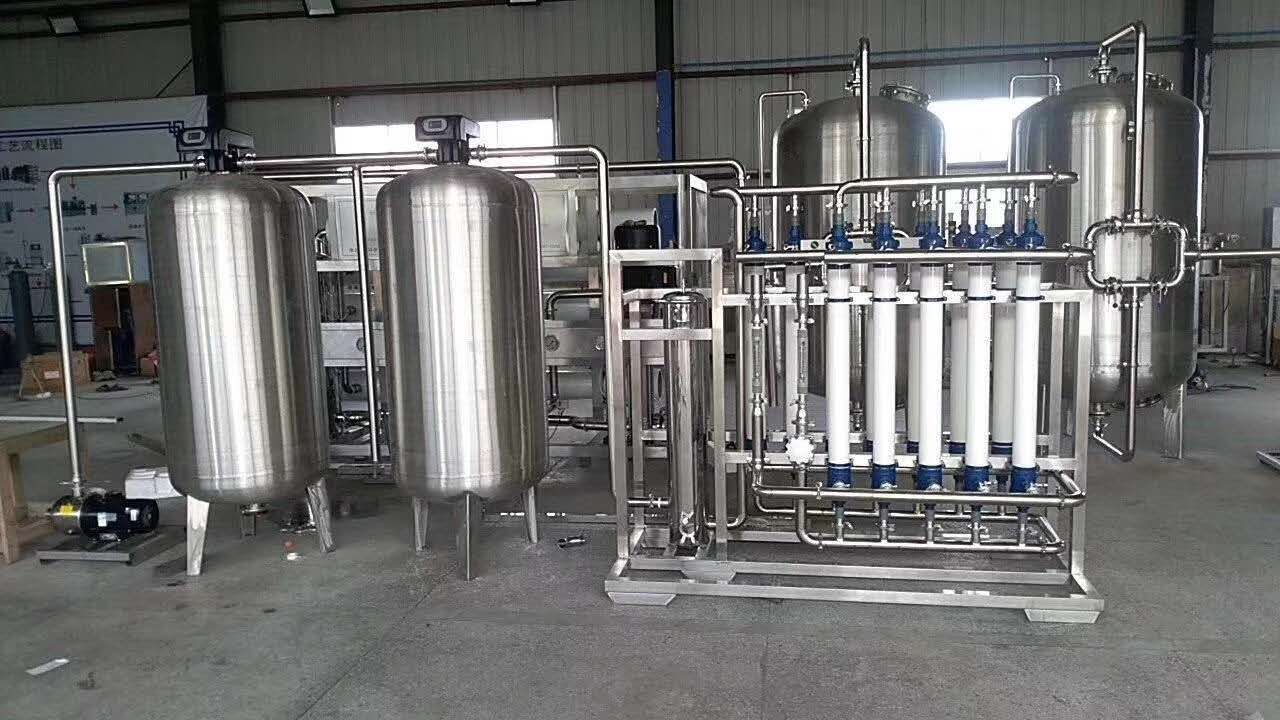
Bottled Spring Water Filling Production Line
Chuxin Mingwei’s customized bottled spring water filling production line is specifically...
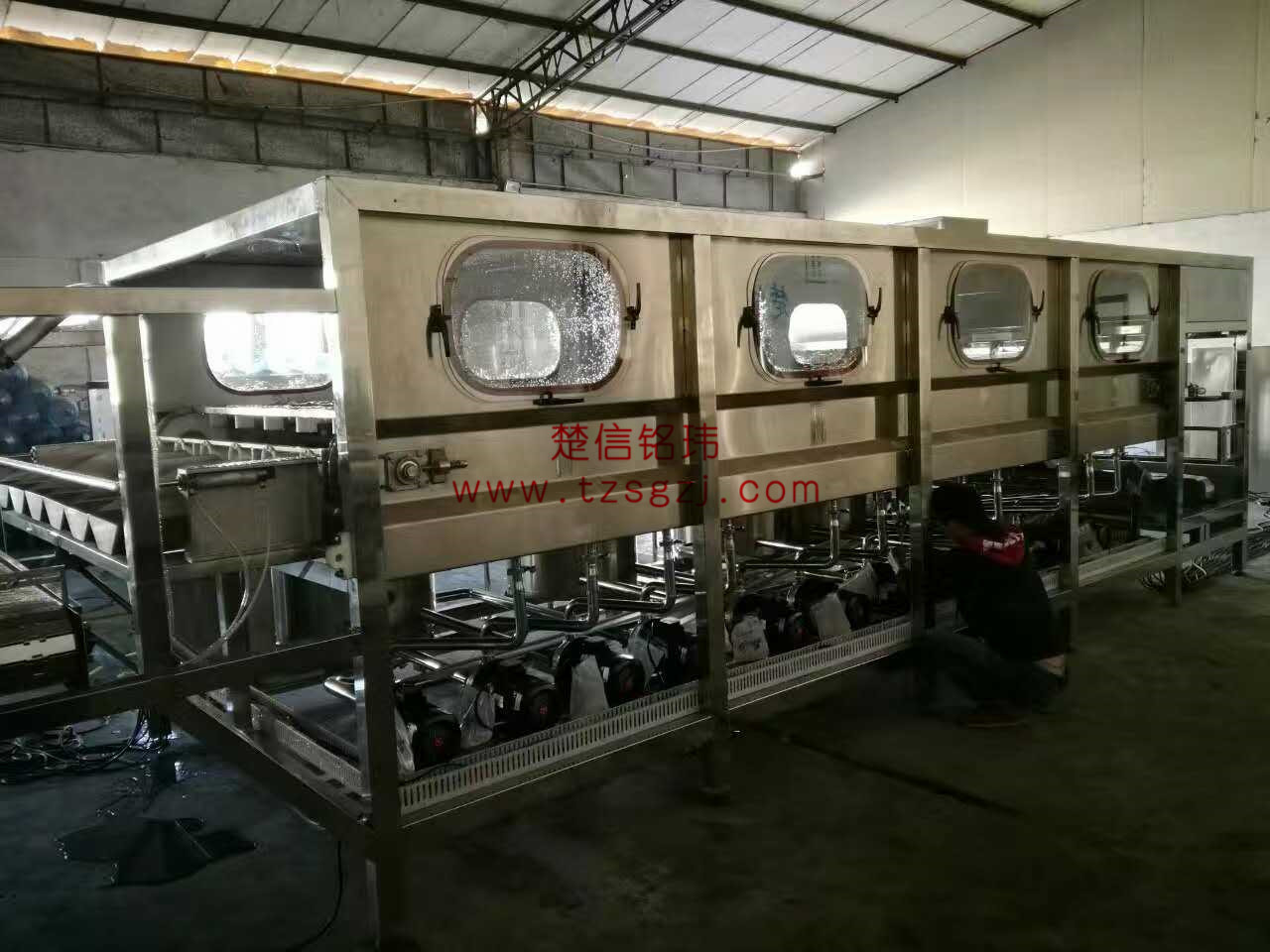
Fully Automatic Bottled Purified Water Filling Production Line
Chuxin Mingwei’s customized fully automatic bottled purified water filling production li...
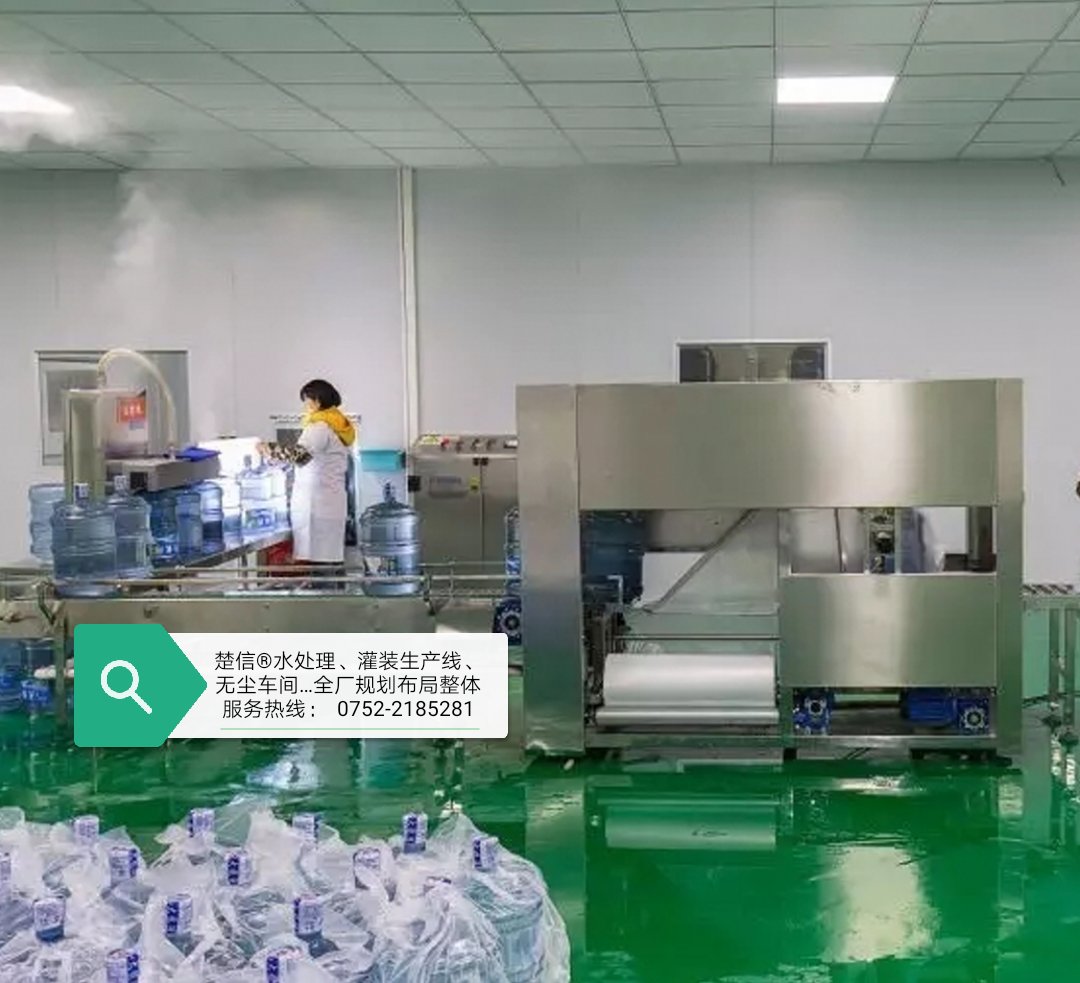
Clean Air Purification Systems
Custom-engineered air purification systems for water bottling and barrelled water fillin...