
Barrel Wrap Alignment Tolerance: Diagnosing Conveyor Sync and Sleeve Fit Risks in Automated Packaging
Barrel Wrap Alignment Tolerance: Diagnosing Conveyor Sync and Sleeve Fit Risks
For procurement managers and operations leads in the beverage and industrial sectors, the final stage of a production line—automatic barrel wrapping—is frequently where subtle engineering mismatches become visible operational failures. A common scenario involves barrels arriving at the wrapping station with slight rotational offsets or vertical instability, causing the shrink sleeve to wrinkle, tear, or apply off-center.
While often attributed to the wrapping machine alone, barrel wrap alignment tolerance issues usually indicate a systemic disconnect between the upstream conveying system, the physical dimensions of the container, and the packaging material specifications. For technical evaluators validating a new line or troubleshooting an existing one, understanding these boundaries is critical to ensuring long-term maintainability and product presentation quality.
The Root Cause: Beyond the Wrapper Mechanism
In automated packaging environments, particularly those handling 18.9L (5-gallon) or 11.3L returnable and non-returnable barrels, the wrapping unit does not operate in isolation. Misalignment typically arises from two primary vectors:
1. Conveyor Synchronization and Stability
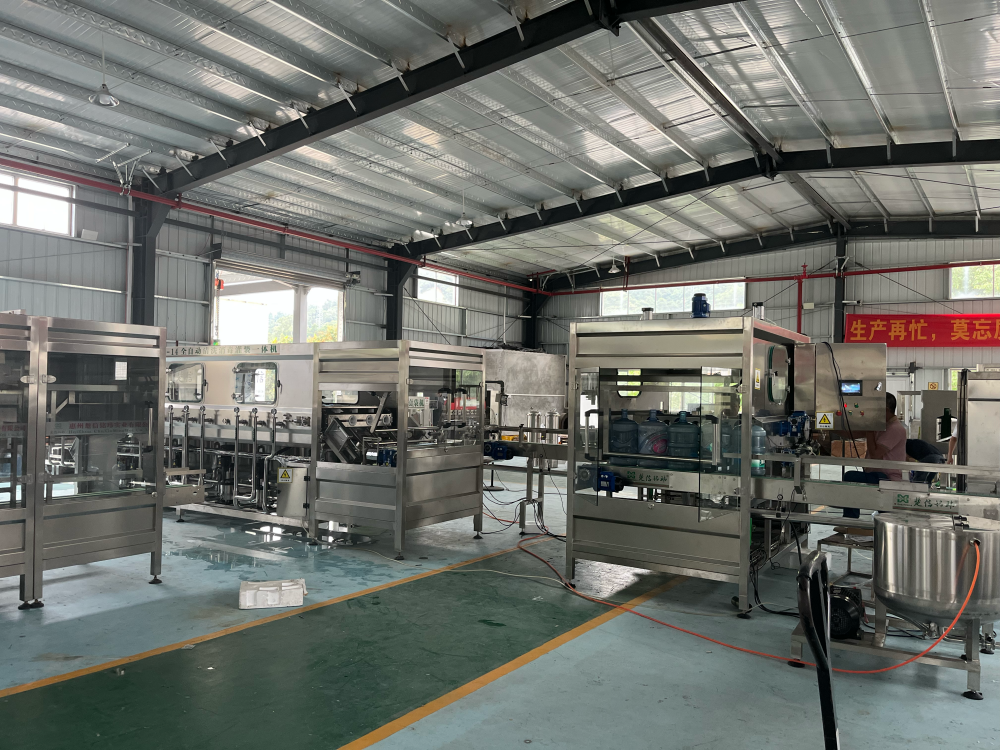
The transition from the capping or inspection station to the wrapping zone requires precise speed matching. If the conveyor belt accelerates or decelerates abruptly, or if there is a gap in guidance rails, barrels can shift rotationally or laterally.
- Risk Boundary:*
- Standard conveyors designed for general transport may lack the fine-tuned servo control required for high-precision wrapping. Without active centering mechanisms or adjustable guide rails that account for specific barrel diameters, even minor variations in barrel wall thickness (common in recycled PC barrels) can lead to significant tracking errors.
- Technical Check:*
- Evaluate whether the conveyor system includes variable frequency drives (VFD) or servo motors capable of synchronized hand-off. The layout must ensure that barrels enter the wrapping turntable or linear track without residual momentum that causes spinning.
2. Dimensional Tolerance and Sleeve Fit
The interaction between the barrel's outer diameter and the shrink sleeve's pre-shrink dimensions is a mathematical constraint.
- Material Variance:*
- Recycled barrels often exhibit slight deformation after multiple wash cycles and heat exposure. If the sleeve is cut too tightly for a "perfect" new barrel, it may fail to slide over a slightly out-of-tolerance used barrel, causing jams. Conversely, a sleeve that is too loose will result in poor aesthetics and potential slippage during palletizing.
- Active Centering Necessity:*
- When barrel dimensional tolerance necessitates active centering before wrapping, the system must employ sensors or mechanical guides to rotate the barrel to a neutral position prior to film application. Relying solely on passive gravity feeding is insufficient for high-speed lines targeting 200–1,800 bottles/hour capacities, as seen in Chuxin Mingwei's integrated production solutions.
Integration with End-to-End Engineering Services
Chuxin Mingwei approaches these challenges by treating the packaging segment as an integral part of the end-to-end engineering services workflow. The design phase considers not just the filler's output but the downstream handling constraints.
- Site-Specific Engineering:*
- Just as water treatment systems are engineered from actual source water quality, packaging lines are configured based on the specific mix of new vs. recycled barrels and the target packaging format.
- Process Continuity:*
- In a fully automatic bottled purified water filling line, the synchronization between the capping unit (with a pass rate ≥99.6%) and the subsequent packaging module is vital. Any bottleneck or misalignment here compromises the entire line's efficiency, regardless of the purification performance upstream.
Validation Checklist for Technical Evaluators
Before accepting a delivery or signing off on a retrofit, technical teams should verify the following:
- Conveyor Hand-off Logic: Confirm that the transfer star-wheels or guide rails accommodate the maximum expected dimensional variance of your barrels (including dents or swelling from washing).
- Sleeve Material Specification: Ensure the shrink film supplier has tested their material against your specific barrel batch, accounting for temperature fluctuations in the shrink tunnel.
- Active Centering Capability: If using a high percentage of recycled barrels, mandate the inclusion of active centering devices or adjustable friction belts to correct orientation before wrapping.
- Control System Integration: Verify that the PLC-based intelligent control system monitors wrapping faults and can automatically stop the upstream filler to prevent backlog, rather than just alarming locally.
Conclusion and Next Steps
Achieving consistent barrel wrap alignment tolerance is less about buying a standalone wrapper and more about validating the interface between your container logistics, conveyor dynamics, and film specifications. For lines handling mixed populations of new and recycled barrels, passive systems often fail to meet quality standards without active correction mechanisms.
If your current setup experiences frequent sleeve misalignment or jamming due to barrel variance, a detailed audit of your conveyor sync and sleeve fit parameters is recommended. Chuxin Mingwei provides custom engineering support to diagnose these integration points, ensuring that your automated packaging equipment delivers stable, applicable, and maintainable results aligned with your facility's specific constraints.
Contact our technical team to discuss your barrel specifications and production targets for a tailored assessment of your packaging line's alignment capabilities.
Recommended
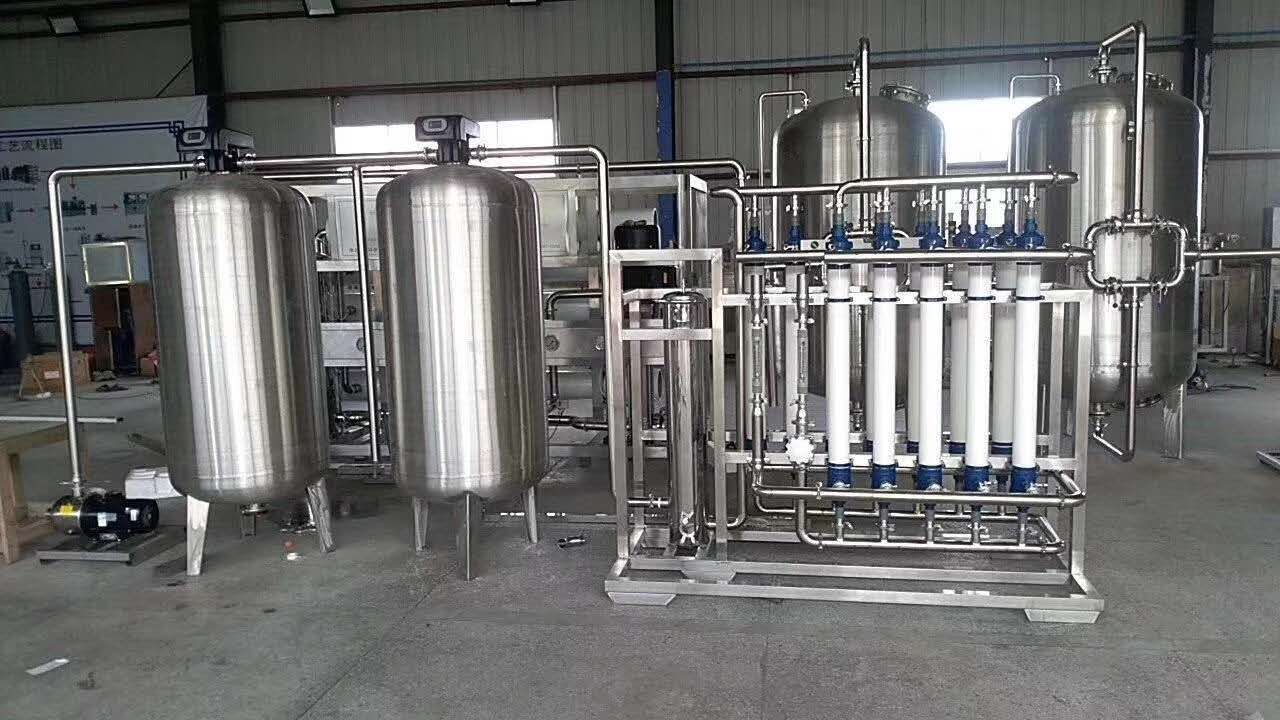
Bottled Spring Water Filling Production Line
Chuxin Mingwei’s customized bottled spring water filling production line is specifically...
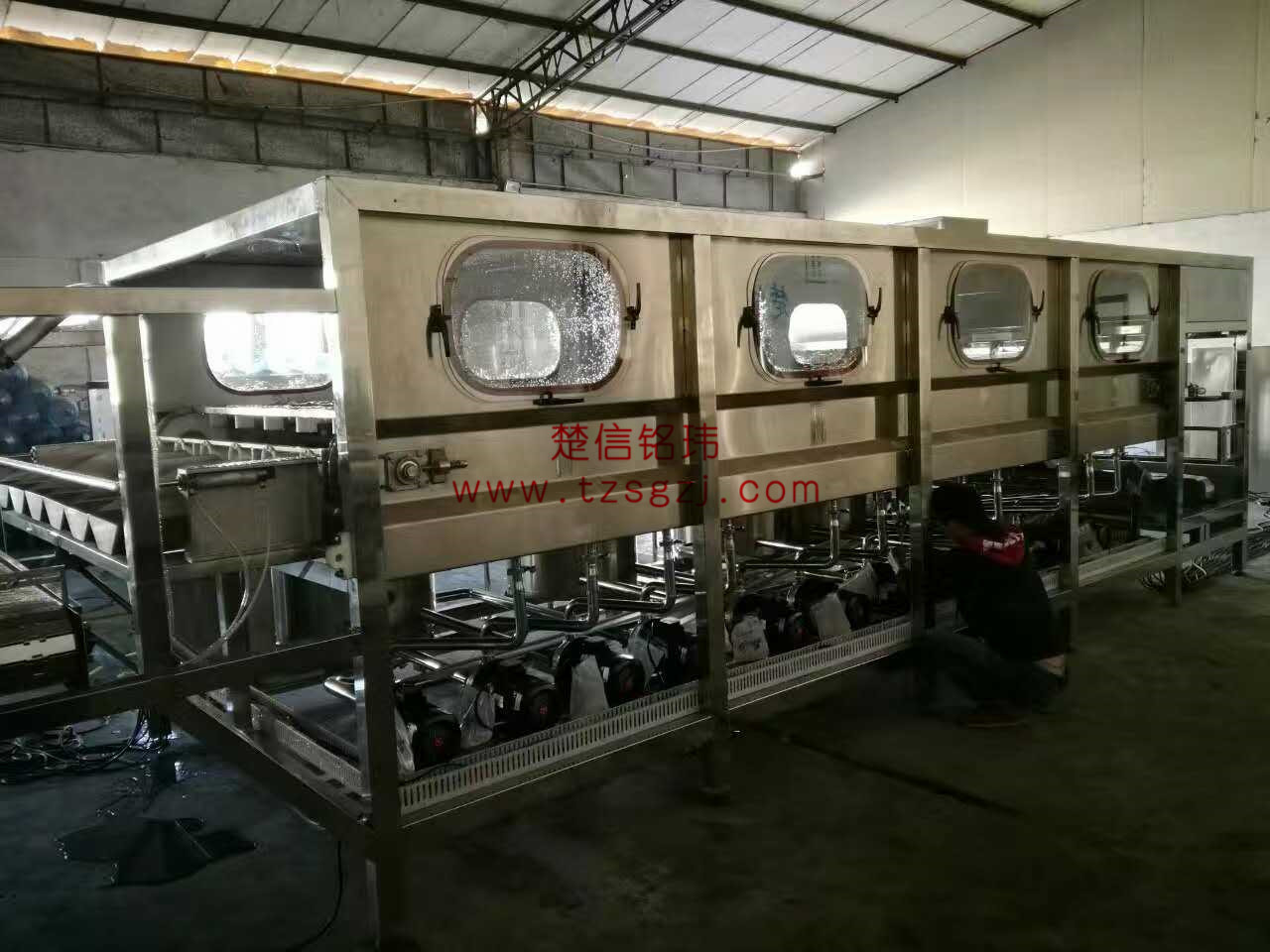
Fully Automatic Bottled Purified Water Filling Production Line
Chuxin Mingwei’s customized fully automatic bottled purified water filling production li...
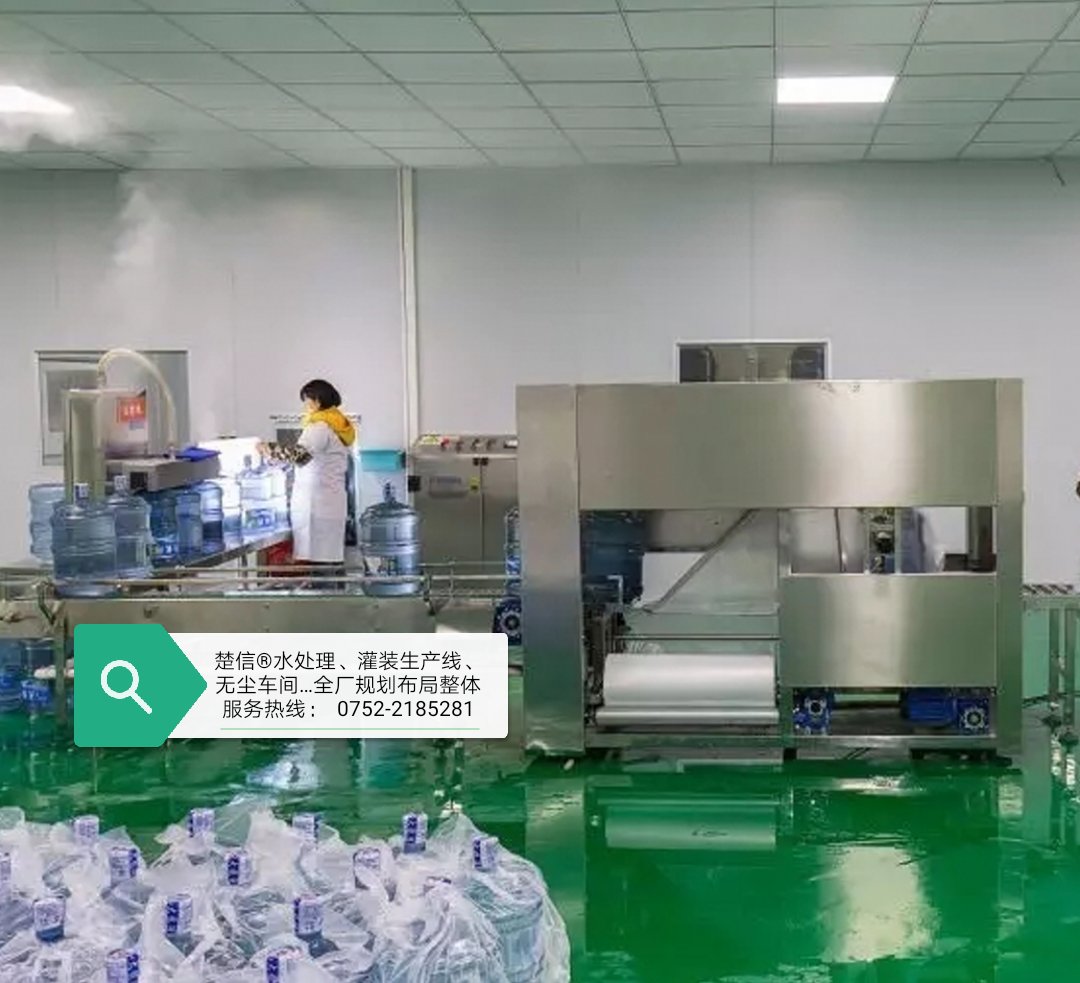
Clean Air Purification Systems
Custom-engineered air purification systems for water bottling and barrelled water fillin...