
Electroplating Deionized Water System Maintenance Guide: Routine Checks & Service Intervals
Electroplating Deionized Water System Maintenance Guide: Routine Checks & Service Intervals
When an electroplating line experiences sudden surface defects—such as poor adhesion, spotting, or inconsistent coating thickness—the root cause often traces back to fluctuating water quality. Surface treatment scenarios have stringent requirements for resistivity, conductivity, and microbial control. Maintaining a stable deionized (DI) water system is critical to preventing costly production downtime and ensuring product consistency.
This electroplating deionized water system maintenance guide outlines actionable checks, component management strategies, and preservation protocols for operations leads and maintenance teams managing industrial purification systems.
Diagnosing Resistivity Drops: A Component Checklist
A sudden drop in water resistivity indicates that the purification process is compromised. Troubleshooting should follow the flow of the system, starting from pre-treatment to the final polishing stages.
1. Security Filter Management
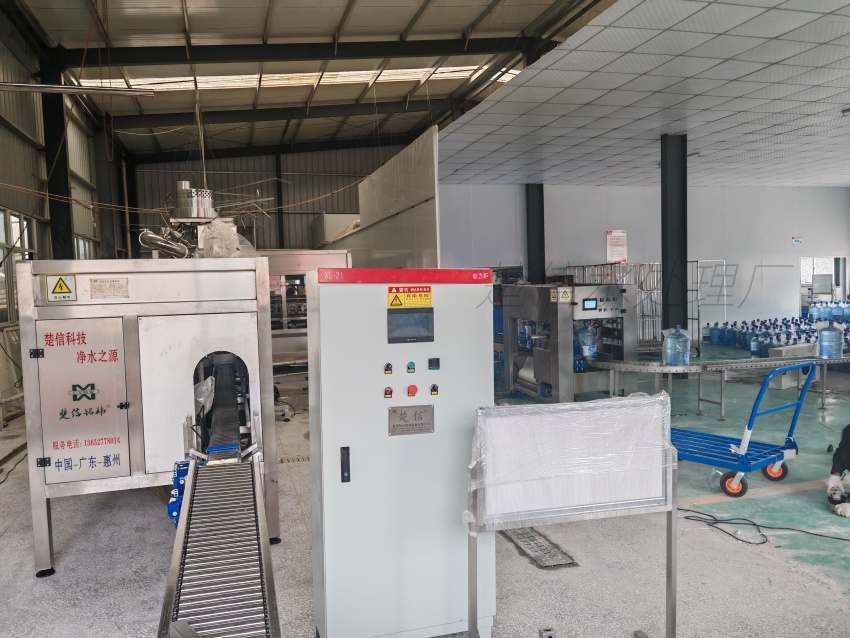
Security filters serve as the final barrier before water enters the core membrane systems. They are critical for intercepting fine particles to protect high-pressure pumps and membrane elements.
- Actionable Check:*
- Monitor the differential pressure across the filter housing daily.
- Replacement Criteria:*
- Filter cartridge replacement should not be based solely on a fixed time schedule. Instead, the replacement interval must be determined by combining pressure drop data, flow rate reductions, and visible contamination levels. Ignoring a high-pressure drop can lead to pump cavitation or membrane fouling.
2. Reverse Osmosis (RO) and EDI Modules
If pre-treatment is functioning correctly, the issue may lie within the RO or Electrodeionization (EDI) modules.
- Actionable Check:*
- Verify the conductivity of the RO permeate. If conductivity rises, check for membrane scaling, organic fouling, or O-ring leaks.
- Service Condition:*
- For EDI systems, ensure that the DC voltage and current are within operational limits. A drop in current often indicates insufficient ion concentration in the feed water, while high voltage may suggest scaling on the ion-exchange membranes.
Managing System Downtime and Preservation
Industrial facilities often face scheduled maintenance or unexpected production halts. How a DI water system is managed during these periods directly impacts its recovery time and long-term health.
Shutdown protocols must be adapted based on the downtime duration and equipment type.
- Short-Term Downtime (1–3 days):*
- Implement automated low-pressure flushing cycles to prevent stagnant water and microbial proliferation.
- Long-Term Downtime:*
- Before extended shutdowns, the system must be prepared according to equipment and membrane manufacturer requirements. This involves flushing, emptying, chemical disinfection, or circulating a dedicated preservation fluid. Proper preservation is essential to prevent membrane dehydration, freezing damage in unheated facilities, and severe microbial growth.
The Impact of Initial Setup on Long-Term Maintenance
Many maintenance challenges stem from the initial project execution phase. A system that is difficult to access for filter changes or lacks adequate sampling ports will suffer from neglected routine checks.
This is why professional water plant equipment installation and commissioning is vital. Proper initial setup ensures that piping layouts, electrical interfaces, and control systems (such as PLC-based diagnostics) are optimized not just for day-one production, but for years of accessible, straightforward maintenance.
Comprehensive After-Sales Support
Maintaining complex industrial water treatment equipment goes beyond replacing consumables; it requires technical expertise to diagnose systemic issues.
Chuxin Mingwei provides end-to-end engineering services tailored to industrial clients. Our service scope includes scheme design, equipment manufacturing, installation and commissioning, operator training, and dedicated after-sales maintenance services. By mapping equipment capabilities to real-world operational contexts, we ensure that your DI water system remains stable and maintainable.
Next Steps for Procurement and Operations Teams
If your facility is experiencing recurring water quality issues or if your current maintenance protocols lack clear, data-driven triggers, it is time to evaluate your system's health. Ensure your team has clear standard operating procedures (SOPs) for pressure monitoring, membrane cleaning, and shutdown preservation.