
Enterprise
Water Treatment Technologies

Practical guidance for better product and service decisions.

Food Production Facility Air Purification System Working Principle: Core Structure, Treatment Logic & Application Scenar

Published: 2026-07-25

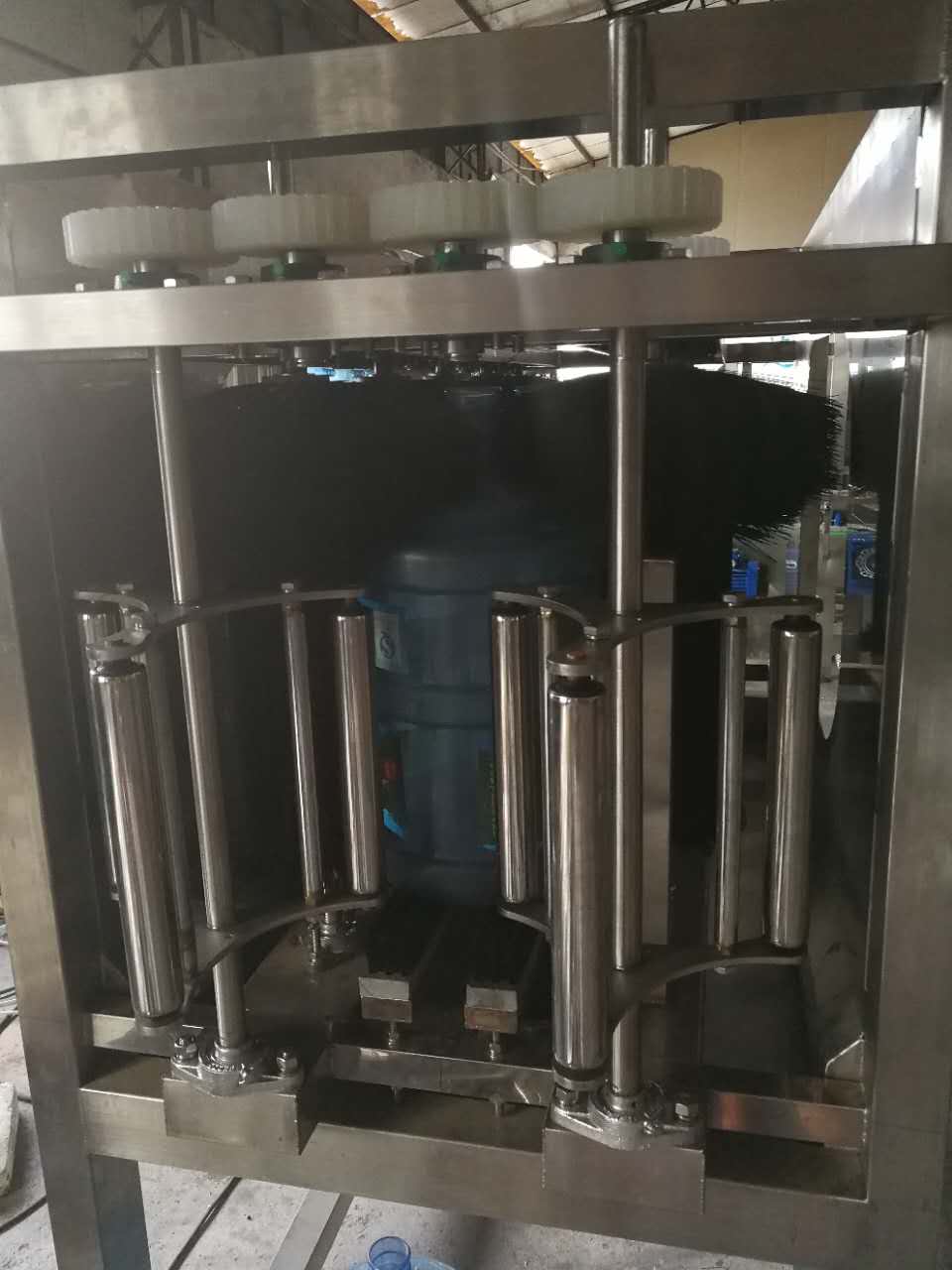
Food Production Facility Air Purification System Working Principle: Core Structure, Treatment Logic & Application Scenarios \\![Hero Image](http://rpidj9qp.saas.cookeji.com/uploads/images/20260714/202607141643293e6060045.jpg) \\[Image Caption: Custom-engineered air purification systems for water bottling and barrelled water filling cleanrooms]\\n\\n
Food Production Facility Air Purification System Working Principle: Core Structure, Treatment Logic & Application Scenar

Introduction \\nIn food production facilities, maintaining high air quality is crucial to ensure product safety, prevent contamination, and comply with regulatory standards. Air purification systems play a vital role in achieving these goals. This article delves into the working principles, core structure, and treatment logic of air purification systems, providing practical insights for procurement managers, operations leads, and digital project teams in the food and beverage industry. \\n\\n

Key Components of Air Purification Systems \\nAir purification systems in food production facilities typically consist of several key components, each serving a specific function: \\n\\n

1. Filtration Units \\n- HEPA Filters: High-Efficiency Particulate Air (HEPA) filters are essential for removing airborne particles as small as 0.3 microns. These filters are critical for maintaining ISO Class 8 (100,000) or higher standards. \\n- Pre-Filters: Pre-filters capture larger particles, extending the life of HEPA filters and reducing maintenance costs. \\n- Activated Carbon Filters: Activated carbon filters remove odors, volatile organic compounds (VOCs), and other gaseous contaminants. \\n\\n

2. Air Handling Units (AHUs) \\n- Supply and Return Fans: These fans circulate air through the system, ensuring consistent airflow and pressure. \\n- Heating, Ventilation, and Air Conditioning (HVAC) Systems: HVAC systems control temperature and humidity, creating a stable environment for food production. \\n- Ductwork: Ducts distribute treated air throughout the facility, ensuring uniform coverage. \\n\\n

3. Control Systems \\n- Programmable Logic Controllers (PLCs): PLCs manage the operation of the air purification system, including fan speeds, filter status, and environmental conditions. \\n- Human-Machine Interfaces (HMIs): HMIs provide real-time diagnostics and remote monitoring capabilities, allowing operators to make informed decisions. \\n- Sensors and Monitoring Devices: Sensors measure air quality parameters such as particulate count, temperature, and humidity, ensuring the system operates within specified limits. \\n\\n

Treatment Logic and Operational Principles \\nUnderstanding the treatment logic and operational principles of air purification systems is essential for effective implementation and maintenance. Here’s how these systems work: \\n\\n

1. Air Intake and Filtration \\n- Initial Filtration: Air enters the system through pre-filters, which remove large particles and debris. \\n- HEPA Filtration: The air then passes through HEPA filters, capturing fine particles and microorganisms. \\n- Activated Carbon Filtration: Finally, activated carbon filters remove odors and gaseous contaminants, ensuring the air is clean and free from harmful substances. \\n\\n

2. Air Distribution and Control \\n- Fan Operation: Supply and return fans circulate the filtered air, maintaining positive pressure in the cleanroom to prevent the entry of unfiltered air. \\n- Temperature and Humidity Control: HVAC systems regulate temperature and humidity, creating a stable environment that supports food production processes. \\n- Pressure Management: The system maintains a slight positive pressure in the cleanroom to prevent the ingress of contaminated air from outside. \\n\\n

3. Monitoring and Maintenance \\n- Real-Time Monitoring: Sensors and monitoring devices continuously track air quality parameters, alerting operators to any deviations from set standards. \\n- Filter Replacement: Regular replacement of filters, especially HEPA and pre-filters, is crucial to maintain system efficiency and prevent contamination. \\n- System Diagnostics: PLCs and HMIs provide detailed system diagnostics, enabling proactive maintenance and troubleshooting. \\n\\n

Application Scenarios \\nAir purification systems are tailored to meet the specific needs of different food production facilities. Here are some common application scenarios: \\n\\n

1. Bottled Water Filling Lines \\n- Cleanroom Requirements: Bottled water filling lines require ISO Class 8 (100,000) or higher cleanrooms to ensure the purity of the water. \\n- System Integration: Air purification systems are integrated with the filling line, ensuring that the air in the cleanroom is continuously filtered and controlled. \\n- Operational Stability: The system ensures stable air quality, preventing contamination and maintaining the integrity of the bottled water. \\n\\n

2. Food Processing Areas \\n- Hygiene Standards: Food processing areas must adhere to strict hygiene standards to prevent cross-contamination and ensure product safety. \\n- Customized Solutions: Air purification systems are customized to meet the specific requirements of the processing area, including temperature, humidity, and air quality. \\n- Continuous Monitoring: Real-time monitoring and control ensure that the air quality remains within specified limits, supporting safe and efficient food processing. \\n\\n

3. Packaging and Storage Areas \\n- Environmental Control: Packaging and storage areas require controlled environments to prevent the degradation of food products. \\n- Air Quality Management: Air purification systems maintain optimal air quality, preventing the growth of mold, bacteria, and other contaminants. \\n- Energy Efficiency: Advanced control systems optimize energy usage, reducing operating costs while maintaining high air quality standards. \\n\\n

Conclusion \\nAir purification systems are essential for maintaining high air quality in food production facilities, ensuring product safety, and complying with regulatory standards. By understanding the key components, treatment logic, and operational principles, procurement managers and operations leads can make informed decisions and implement effective air purification solutions. \\n\\nFor more information on custom air purification systems and to discuss your specific requirements, contact us today. \\n\\n

Next Steps \\n- Request a Solution Consultation: Share your facility details, air quality requirements, and production capacity to receive a tailored air purification solution. \\n- Explore Product Lines: Discover our range of air purification systems designed for various food production applications. \\n- Get Tailored Recommendations: After submitting your requirements, we’ll provide next-step recommendations based on your specific needs. \\n\\n--- \\nChuxin Mingwei provides engineered water treatment and filling systems for beverage, food, pharmaceutical, electronics, and industrial clients. Custom design, manufacturing, installation, and long-term support — based on your water quality, capacity, layout, and budget.