
Enterprise
Water Treatment Technologies

Practical guidance for better product and service decisions.

How Cartridge Filtration Protects RO Membranes: Process Flow, Interface Requirements & Operational Best Practices

Published: 2026-07-25

How Cartridge Filtration Protects RO Membranes: Process Flow, Interface Requirements & Operational Best Practices \\[\n
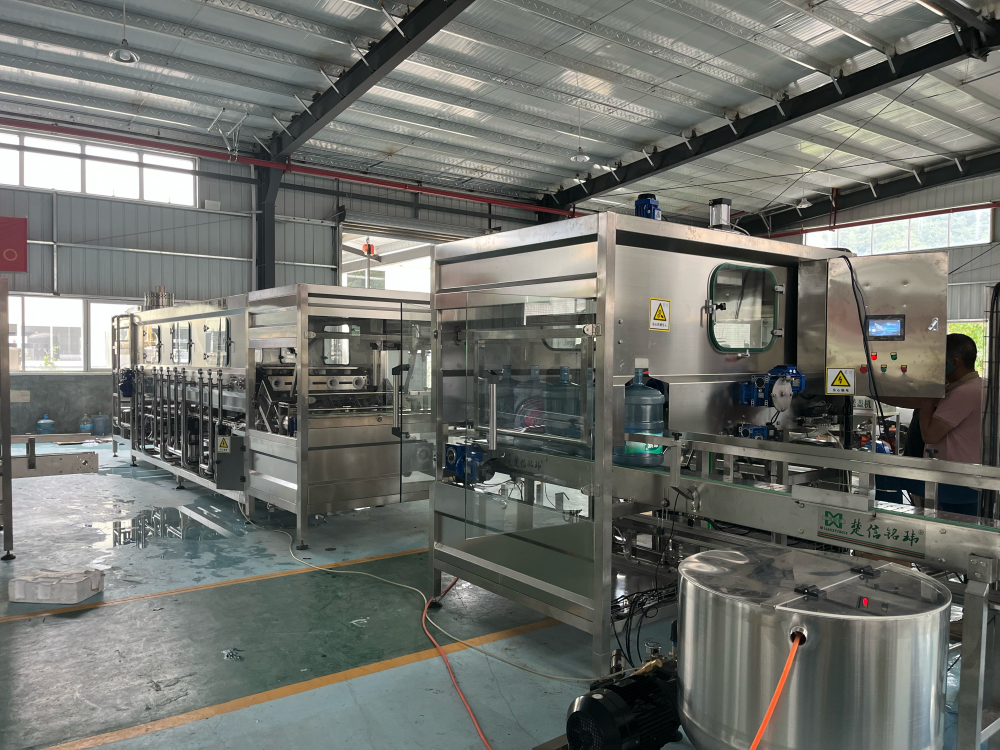
How Cartridge Filtration Protects RO Membranes: Process Flow, Interface Requirements & Operational Best Practices

Introduction \\[\nReverse Osmosis (RO) systems are widely used in various industries for water purification. The effectiveness and longevity of RO membranes depend significantly on the quality of the feed water. Cartridge filtration plays a crucial role in protecting these membranes by removing particulates and other contaminants that can cause damage. This article will explore the process flow, interface requirements, and operational best practices for cartridge filtration in RO systems. \\[\n

Understanding Cartridge Filtration \\[\nCartridge filtration is a pre-treatment step that removes suspended solids, sediments, and other particles from the feed water before it reaches the RO membrane. The primary goal is to prevent fouling, scaling, and physical damage to the RO membrane. \\[\n

Key Components of Cartridge Filtration \\[\n1. Filter Housing: A robust housing that holds the filter cartridge. \\[\n2. Filter Cartridge: A replaceable element that traps particles. Common types include pleated, melt-blown, and string-wound cartridges. \\[\n3. Inlet and Outlet Ports: Connections for the feed water and filtered water. \\[\n4. Pressure Gauges: To monitor the pressure drop across the filter, indicating when the cartridge needs replacement. \\[\n

Process Flow of Cartridge Filtration in RO Systems \\[\n

Step 1: Feed Water Inlet \\[\nThe raw water enters the cartridge filtration system through the inlet port. \\[\n

Step 2: Pre-Filtration \\[\nThe water passes through the filter cartridge, where particulates and other contaminants are trapped. \\[\n

Step 3: Filtered Water Outlet \\[\nThe filtered water exits the system through the outlet port and is directed to the next stage of the RO system. \\[\n

Step 4: Pressure Monitoring \\[\nPressure gauges continuously monitor the pressure drop across the filter. A significant increase in pressure drop indicates that the cartridge is clogged and needs replacement. \\[\n

Interface Requirements for Cartridge Filtration \\[\n

Compatibility with RO System \\[\n- Flow Rate: Ensure the cartridge filter can handle the required flow rate without causing excessive pressure drop. \\[\n- Particle Size Removal: Select a filter cartridge that can remove particles down to the desired micron size. For RO systems, a 5-micron or 1-micron filter is typically recommended. \\[\n- Material Compatibility: Use filter cartridges made from materials compatible with the feed water chemistry to avoid leaching or degradation. \\[\n

Installation and Maintenance \\[\n- Proper Installation: Follow the manufacturer's guidelines for installing the filter housing and cartridge. \\[\n- Regular Replacement: Replace the filter cartridge at regular intervals based on the pressure drop and water quality. \\[\n- System Integration: Ensure the cartridge filtration system is properly integrated into the overall RO system, with appropriate valves and connections. \\[\n

Operational Best Practices \\[\n

Monitoring and Maintenance \\[\n- Regular Inspection: Inspect the filter housing and connections for leaks or damage. \\[\n- Pressure Drop Monitoring: Regularly check the pressure gauges to detect any increase in pressure drop. \\[\n- Scheduled Replacement: Establish a maintenance schedule for replacing the filter cartridges. \\[\n

Troubleshooting \\[\n- High Pressure Drop: If the pressure drop is high, check for clogging and replace the cartridge if necessary. \\[\n- Leakage: Address any leaks immediately to prevent contamination and system failure. \\[\n- Water Quality Testing: Periodically test the feed water and filtered water to ensure the cartridge is effectively removing contaminants. \\[\n

Conclusion \\[\nCartridge filtration is a critical pre-treatment step in RO systems, protecting the membranes from particulate fouling and ensuring optimal performance. By understanding the process flow, interface requirements, and operational best practices, you can maintain the efficiency and longevity of your RO system. \\[\n

Next Steps \\[\nIf you need further assistance in selecting and implementing a cartridge filtration system for your RO setup, contact our experts at Chuxin Mingwei. We provide end-to-end solutions, including design, manufacturing, installation, and ongoing support. \\[\n