
How to Build an Installation and Commissioning Preparation Checklist Page
How to Build an Installation and Commissioning Preparation Checklist Page
Water treatment systems play a crucial role in industries such as beverage, food, pharmaceuticals, and electronics. To ensure successful implementation, creating a detailed installation and commissioning preparation checklist is essential. This guide outlines the steps procurement managers and project teams should follow when building their own checklist.
Identifying Core Requirements
Before starting the checklist, it's important to understand the specific needs of your project. Consider factors such as production capacity, packaging formats, facility constraints, and long-term maintainability. For example, if you're implementing a bottled water filling line, verify compatibility with bottle sizes, cap types, and target output rates.
Key Considerations for Your Checklist
- Site-Specific Engineering
- Assess whether the equipment matches the actual source water quality and target standards.
- Ensure the design accounts for stability, applicability, and operational context.
- Operational Context Mapping
- Map equipment capabilities to real-world scenarios, including purification efficiency, mineral retention, and sterilization methods.
- Clarify service scope, delivery workflow, and support boundaries.
- Technical Specifications
- Verify that the system supports required bottle sizes (e.g., 18.9L, 11.3L, 5L).
- Confirm rated output capacity aligns with production goals.
- Control Systems
- Validate intelligent control systems for accurate filling, capping, and diagnostics.
- Test remote-ready interfaces for ongoing monitoring and maintenance.
Building the Checklist
To build an effective checklist, consider the following structure:
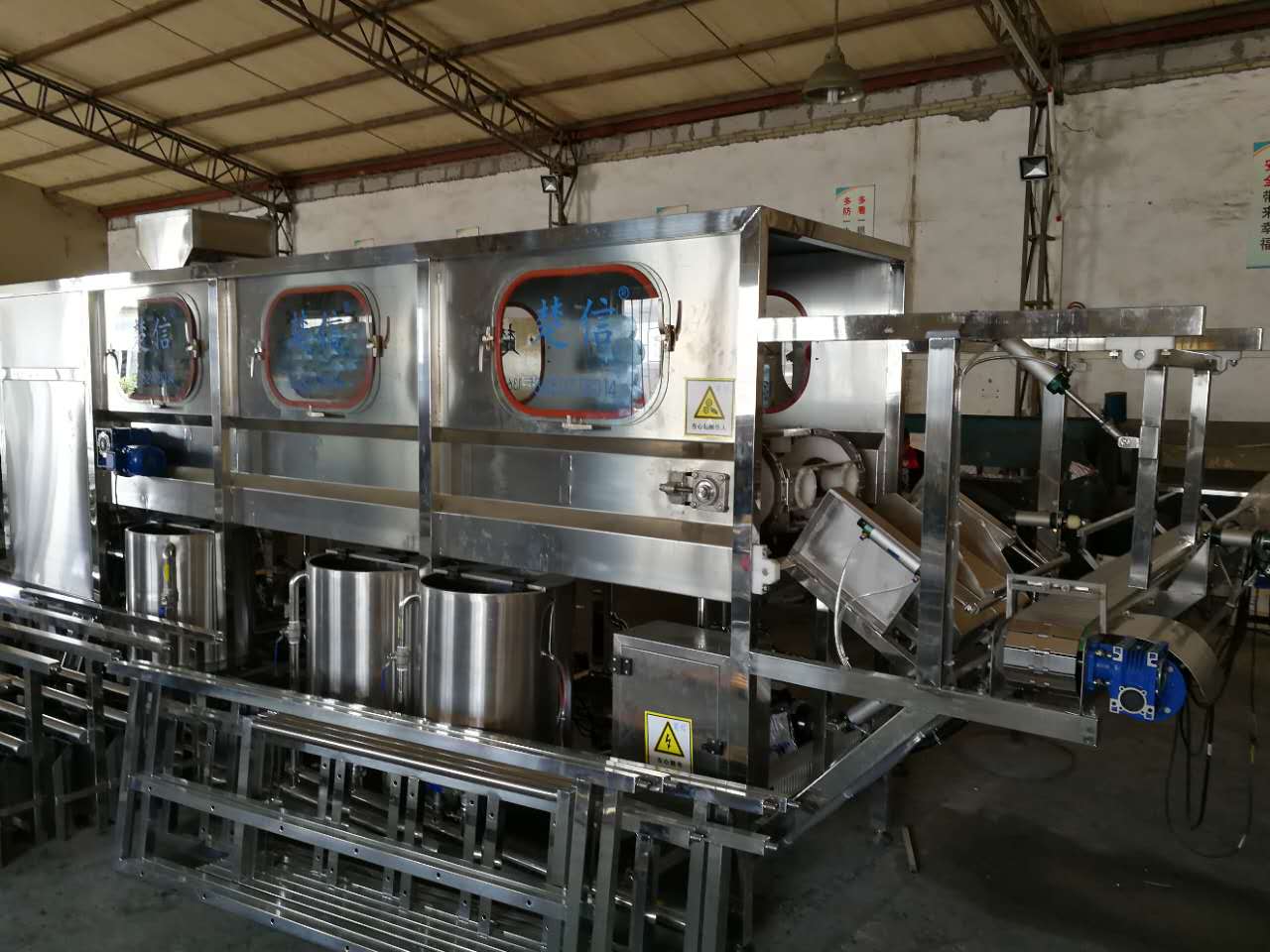
Section 1: Site Infrastructure
- Confirm compliance with relevant industry standards (e.g., ISO Class 8 or higher).
- Evaluate airflow, duct routing, and pressure zoning based on site-specific requirements.
Section 2: Equipment Compatibility
- Cross-check bottle sizes, cap types, and material specifications.
- Ensure alignment between equipment capabilities and production targets.
Section 3: Purification Process
- Balance purification efficiency with mineral retention using appropriate technologies (e.g., NF + UF or dual-stage RO).
- Integrate ozone and UV sterilization for enhanced safety.
Section 4: Control System Configuration
- Configure PLC-based systems for precise operations.
- Implement real-time diagnostics and remote support features.
Practical Tips for Success
- Engage with experienced suppliers early in the planning phase to align expectations.
- Prioritize clear communication regarding service scope and post-installation support.
- Regularly update the checklist based on feedback from operators and technicians.
For more insights into maintaining your water treatment system, refer to our maintenance guide.
Conclusion
Building a robust installation and commissioning preparation checklist requires careful consideration of technical specifications, operational contexts, and long-term support needs. By following this guide, you can create a checklist that ensures smooth implementation and sustained performance.
Call to Action
If you need assistance tailoring a checklist to your specific project, contact us for expert guidance and support.