
Establishing an English Internal Linking Rule Library for Industrial Equipment Websites
Establishing an English Internal Linking Rule Library for Industrial Equipment Websites
Introduction
In today's digital environment, creating a structured internal linking system is essential for improving both user experience and search engine optimization (SEO). For companies specializing in water treatment systems, bottled and barrelled water filling production lines, and clean air support systems, this becomes particularly significant. This guide will walk you through the concept, audience, practical use cases, boundaries, and next steps of building such a library.
Audience
The primary audience includes procurement managers, operations leads, and digital project teams within industries like beverage, food, pharmaceutical, electronics, and heavy industry sectors. These professionals are tasked with ensuring their company's website ranks well on search engines while providing valuable information to potential clients.
Use Cases
Enhancing SEO Performance
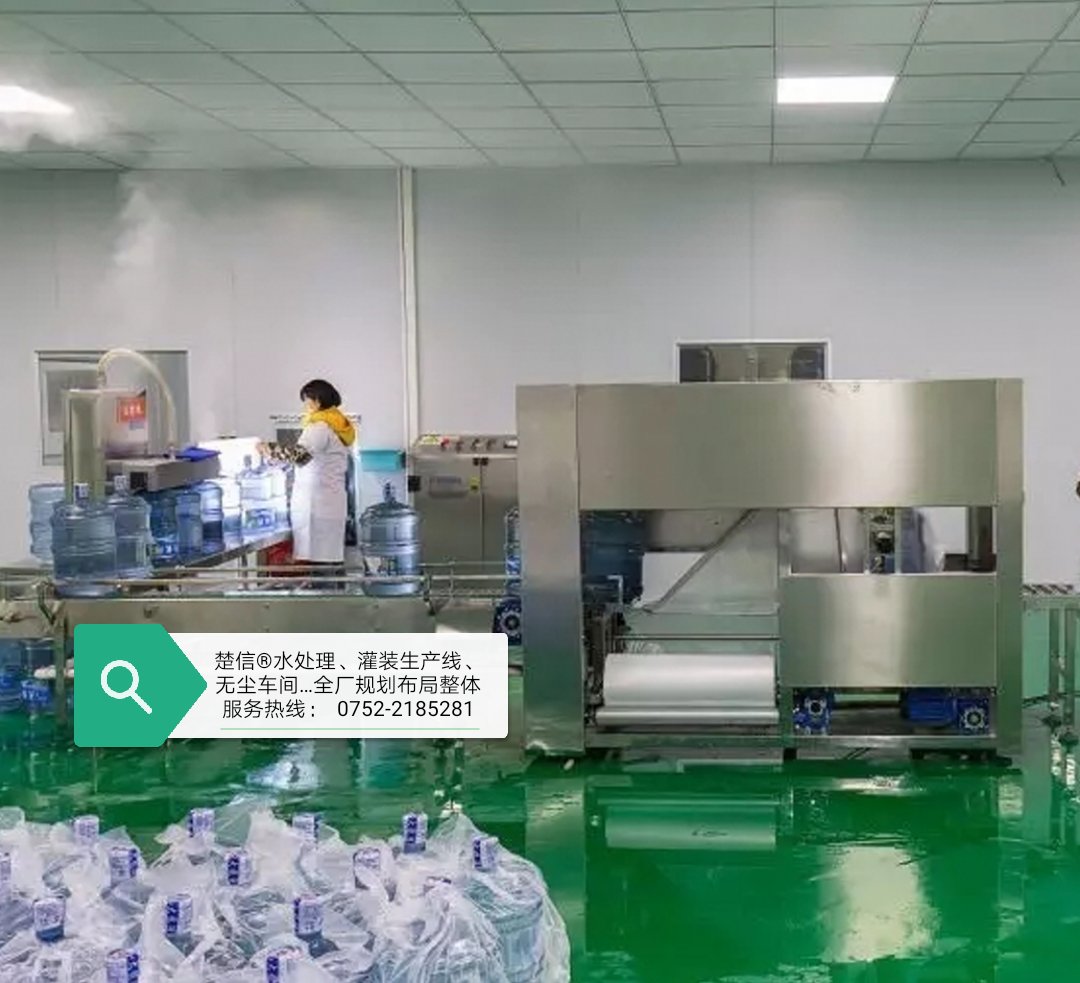
A structured internal linking system can boost your site's SEO performance. For instance, linking from articles about 'bottled spring water filling production line' to related pages like 'clean air purification systems' helps search engines understand the context and relevance of your content.
Improving User Navigation
Internal links assist users in navigating your site more efficiently. If a visitor is reading about 'fully automatic bottled purified water filling production line', they might be interested in learning more about 'water treatment equipment'. A well-placed internal link can direct them directly to the relevant page.
Implementation Steps
- Identify Key Pages: Begin by identifying the most important pages on your site. These could include product pages, service descriptions, and case studies.
- Create Logical Links: Ensure that the links between these pages are logical and add value to the user's journey. For example, linking from a page about 'industrial clean air solutions' to 'ISO Class 8 cleanroom compliance' makes sense.
- Regularly Update: As your business evolves, so should your internal linking strategy. Regularly review and update your links to reflect new products or services.
Boundaries and Risks
While internal linking is beneficial, it's crucial to avoid over-linking, which can confuse users and dilute the SEO impact. Additionally, ensure all links are functional and lead to relevant content. Broken links can negatively affect user experience and SEO rankings.
Next Steps
After implementing your internal linking strategy, monitor its effectiveness using tools like Google Analytics. Look for improvements in bounce rates, time on site, and organic traffic. Make adjustments based on the data collected if necessary.
Conclusion
Building an effective English internal linking rule library is vital for optimizing your website for both users and search engines. By following the steps outlined above, you can enhance your site's structure, improve navigation, and ultimately drive more traffic to your key pages.
Call to Action
Ready to optimize your website's internal linking? Contact our team to learn more about how we can help you implement a robust internal linking strategy.