
Comprehensive Guide to Differences in Cleaning Processes for New and Recycled Water Containers
Comprehensive Guide to Differences in Cleaning Processes for New and Recycled Water Containers
Water filling production lines demand strict adherence to cleanliness standards to ensure product safety and quality. A key aspect of this process is understanding the differences between cleaning new containers and those that have been recycled. This article delves into these distinctions, their operational implications, and how to implement them effectively.
Target Audience
This guide is tailored for procurement managers, operations leads, and digital project teams within industries such as beverages, food, pharmaceuticals, and electronics. These professionals are tasked with ensuring that water treatment and filling systems meet stringent hygiene standards while maintaining operational efficiency.
Key Differences in Cleaning Processes
Cleaning New Containers
New containers typically undergo a streamlined cleaning process since they have not been exposed to external contaminants. The focus is on removing manufacturing residues or dust. Common steps include:
- Initial Rinse: A thorough rinse with purified water to eliminate dust and debris.
- Sanitization: Application of a mild sanitizing agent to ensure sterility.
Cleaning Recycled Containers
Recycled containers require a more intensive cleaning process due to potential exposure to various contaminants during prior use. Steps may involve:
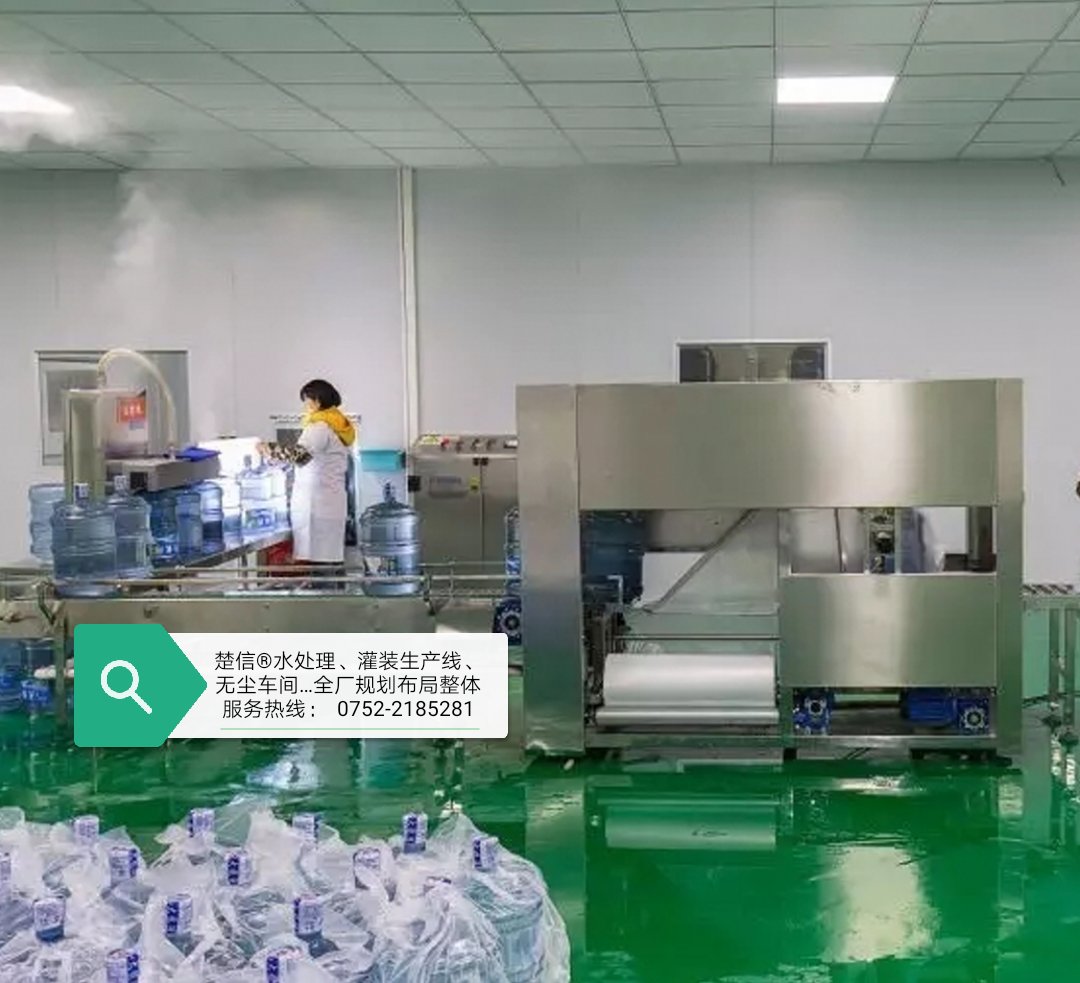
- Pre-Rinse: An initial rinse to remove loose dirt and debris.
- Detergent Wash: Use of specialized detergents to break down and remove stubborn residues.
- High-Temperature Rinse: Hot water to sanitize and remove detergent traces.
- Final Purified Water Rinse: Ensuring no residual chemicals remain.
Judgment Criteria and Condition Boundaries
When implementing cleaning processes, it is essential to consider the following factors:
- Material Compatibility: Ensure cleaning agents do not damage container materials.
- Temperature Control: Maintain appropriate water temperatures to achieve effective cleaning without compromising container integrity.
- Cycle Time Optimization: Balance cleaning efficacy with production speed to maximize efficiency.
- Hygiene Standards: Adhere to industry-specific hygiene requirements to prevent contamination.
Practical Recommendations
To avoid common pitfalls, consider the following tips:
- Regular Maintenance: Keep cleaning equipment well-maintained to ensure consistent performance.
- Quality Assurance: Implement rigorous quality checks to verify cleaning effectiveness.
- Operator Training: Provide comprehensive training for operators to understand the importance of each step in the cleaning process.
Next Steps
For businesses aiming to enhance their water filling operations, understanding the nuances of cleaning processes is crucial. By adopting best practices and leveraging advanced technologies, companies can improve product quality and operational efficiency.
Conclusion
The cleaning processes for new and recycled containers differ significantly in complexity and requirements. By adhering to recommended procedures and considering key factors, businesses can maintain high hygiene standards and ensure product safety.
Call to Action
If you're ready to optimize your water filling production line, contact Chuxin Mingwei for expert advice and customized solutions designed to meet your specific needs.