
Enterprise
Water Treatment Technologies

Practical guidance for better product and service decisions.

Optimal Placement of UV and Ozone in Bottled Water Production Lines: Principles, Criteria, and Best Practices

Published: 2026-07-25

Optimal Placement of UV and Ozone in Bottled Water Production Lines: Principles, Criteria, and Best Practices \\n\\n
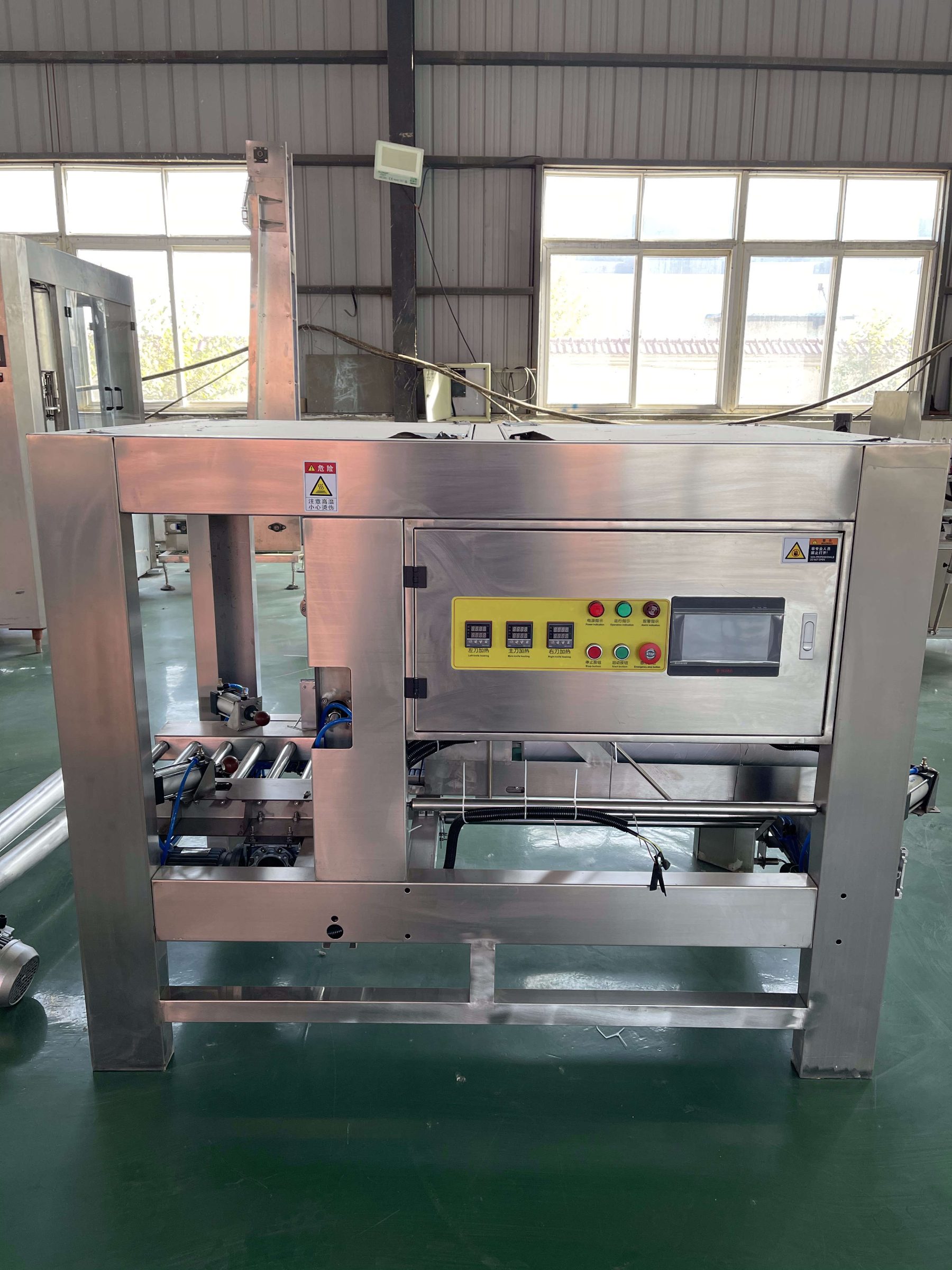
Optimal Placement of UV and Ozone in Bottled Water Production Lines: Principles, Criteria, and Best Practices

Introduction \\n\\nIn the bottled water industry, ensuring the highest water quality and safety is paramount. UV (Ultraviolet) and ozone are two critical technologies used to achieve this. This article will guide you through the optimal placement, engineering principles, configuration criteria, and best practices for integrating UV and ozone in a bottled water production line. \\n\\n

Target Audience and Applications \\n\\nThis content is designed for procurement managers, operations leads, and digital project teams in the beverage, food, pharmaceutical, and electronics industries. Understanding the role of UV and ozone in your production line can help you make informed decisions that ensure water quality, regulatory compliance, and operational efficiency. \\n\\n

Where Do UV and Ozone Fit in a Bottled Water Production Line? \\n\\n

UV Disinfection \\n\\nPlacement: UV disinfection is typically placed after the primary filtration stages and before the final bottling. It is used to eliminate any remaining microorganisms, such as bacteria and viruses, that may have passed through the filters. \\n\\nEngineering Rationale: UV light at 254 nm is highly effective at disrupting the DNA of microorganisms, rendering them unable to reproduce and effectively sterilizing the water. This step is crucial for ensuring the microbiological purity of the water. \\n\\nConfiguration Criteria: \\n- Flow Rate: The flow rate must be matched to the UV system's capacity to ensure adequate exposure time. \\n- Water Quality: The water should be free of suspended solids and turbidity to maximize UV penetration. \\n- Maintenance: Regular cleaning and replacement of UV lamps are essential to maintain effectiveness. \\n\\n

Ozone Disinfection \\n\\nPlacement: Ozone is often introduced after the primary filtration and before the final storage or bottling. It can also be used in the bottle washing stage to sanitize the bottles. \\n\\nEngineering Rationale: Ozone is a powerful oxidant that not only kills microorganisms but also breaks down organic contaminants, improving the overall water quality. It is particularly effective in reducing the microbial load and providing a residual effect that continues to protect the water. \\n\\nConfiguration Criteria: \\n- Dose: The ozone dose must be carefully controlled to ensure effective disinfection without causing off-flavors or odors. \\n- Contact Time: Sufficient contact time is necessary for ozone to react with the water and achieve the desired disinfection. \\n- Decomposition: Ozone decomposes back into oxygen, leaving no harmful residues. \\n\\n

Common Pitfalls and Best Practices \\n\\n

Pitfall 1: Inadequate Flow Rate \\n\\nIf the flow rate is too high, the water may not receive sufficient UV exposure, leading to incomplete disinfection. Ensure that the flow rate is within the specified range of the UV system. \\n\\n

Pitfall 2: Poor Water Quality \\n\\nSuspended solids and turbidity can block UV light, reducing its effectiveness. Pre-filtration to remove these contaminants is essential. \\n\\n

Pitfall 3: Insufficient Ozone Dose \\n\\nAn insufficient ozone dose may not provide adequate disinfection, while an excessive dose can cause off-flavors and odors. Precise dosing and monitoring are crucial. \\n\\n

Best Practice 1: Regular Maintenance \\n\\nRegular maintenance, including cleaning and replacing UV lamps and ozone generators, is essential to ensure consistent performance. \\n\\n

Best Practice 2: Monitoring and Control \\n\\nContinuous monitoring of UV intensity, ozone concentration, and water quality parameters is necessary to ensure the system is operating within the desired parameters. \\n\\n

Conclusion \\n\\nIntegrating UV and ozone into a bottled water production line is a critical step in ensuring water quality and safety. By understanding the engineering principles, configuration criteria, and common pitfalls, you can design and implement an effective disinfection system. For further assistance, consider consulting with a water treatment expert who can provide tailored solutions based on your specific needs. \\n\\n

Next Steps \\n\\nTo get started, share your water source, target quality, capacity, packaging format, and facility details. Our team will propose a tailored solution to meet your requirements. Contact us today to schedule a consultation. \\n