
How to choose pharmaceutical purified water sy: selection, rollout and support checklist
Who This Guide Is For
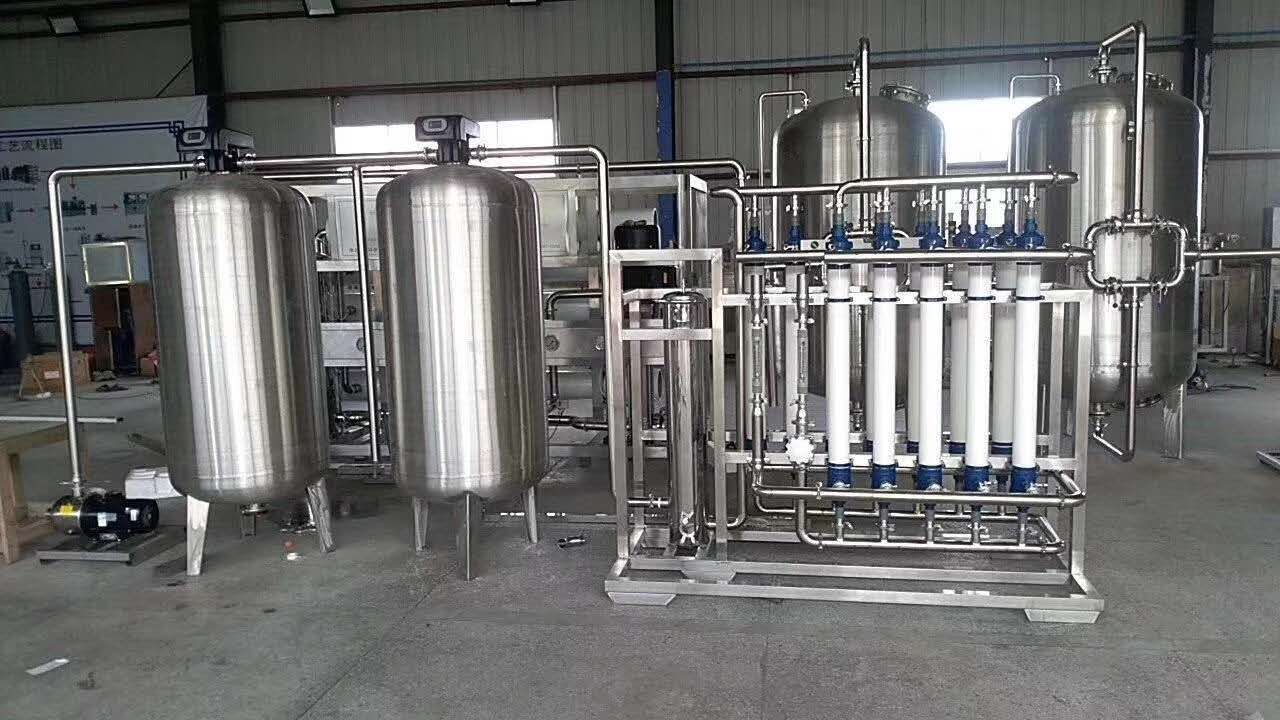
This guide is written for operations leads, maintenance engineers, and facility managers responsible for pharmaceutical purified water systems built on reverse osmosis (RO) technology. Whether your system supplies water for formulation, cleaning, or laboratory use, consistent maintenance directly affects water quality stability, regulatory compliance, and equipment lifespan.
Chuxin Mingwei has designed and manufactured water treatment systems since 2008, serving clients across pharmaceutical, food, electronics, and industrial sectors. The maintenance principles below reflect real-world service experience and common after-sales support scenarios.
Before Adoption: Setting Up for Maintainable Operation
Confirm Your Source Water Baseline
Before any maintenance schedule is meaningful, you need a documented source water profile. Parameters such as hardness, TDS, turbidity, iron, manganese, organic content, and microbial load determine your pretreatment configuration and membrane selection. Without this baseline, it is difficult to distinguish normal performance drift from abnormal degradation.
Practical step: Keep a copy of your original water quality test report on file. When contacting after-sales support, providing this report alongside current operating data allows faster and more accurate remote diagnosis.
Define Your Maintenance Boundaries Early
During project handover, clarify which maintenance tasks fall under operator responsibility and which require manufacturer support. Typical boundaries include:
- Operator-level: Daily visual inspections, pressure and flow logging, filter cartridge replacement based on differential pressure, CIP execution.
- Manufacturer-level: RO membrane chemical cleaning, pump overhaul, control system firmware updates, sterilization system calibration.
Documenting these boundaries in your maintenance manual prevents delays when issues arise.
During Operation: Daily and Weekly Routine Checks
Daily Monitoring Points
| Check Item | What to Record | Action Threshold |
|---|---|---|
| RO inlet pressure | Absolute value and trend | Drop >10% from baseline |
| RO inter-stage differential pressure | Segment-by-segment reading | Increase >15% over 30 days |
| Permeate conductivity | Real-time and logged average | Rise >10% from commissioning value |
| Permeate flow rate | Normalized to temperature and pressure | Decline >10% from standardized baseline |
| Pretreatment filter differential pressure | Each filter stage | Replace cartridge when ΔP exceeds manufacturer spec |
| Ozone / UV sterilization status | Lamp hours, ozone output indicator | Replace UV lamp per rated hours; verify ozone contact time |
Weekly Inspections
- Pretreatment backwash verification: Confirm multi-media and activated carbon filters are backwashing at programmed intervals. Inadequate backwash leads to fouling that transfers directly to the RO membranes.
- Softener salt level: If your system includes a softener, check brine tank salt level and regeneration cycle completion.
- Storage tank breath filter: Inspect the sterile tank breath filter for blockage or moisture ingress. A compromised breath filter is a common source of secondary contamination in finished water storage.
- CIP system readiness: Verify CIP chemical concentrations, temperatures, and flow rates match the validated cleaning protocol.
Service Intervals: Component-by-Component Guide
Pretreatment Filters
- Multi-media filter: Backwash frequency depends on inlet turbidity and flow rate. Monitor head loss; excessive pressure drop indicates media compaction or biological growth.
- Activated carbon filter: Carbon gradually saturates and can harbor microbial growth. Schedule periodic backwash, sanitization, and media replacement based on chlorine breakthrough testing and operational history.
- Security (cartridge) filter: Replace cartridges when differential pressure reaches the specified limit. Do not extend service life beyond the pressure threshold — these filters protect the high-pressure pump and RO membranes from particulate damage.
RO Membrane System
RO membranes do not have a fixed replacement schedule. Lifespan depends on source water quality, pretreatment effectiveness, cleaning history, shutdown protection practices, and operating load.
When to initiate chemical cleaning:
Base the decision on standardized performance data, not calendar dates. Trigger conditions typically include:
- Normalized permeate flow decline of 10–15%
- Salt passage increase of 10–15%
- Inter-stage differential pressure increase of 15%
Important: Identify the fouling type before selecting cleaning chemicals. Using the wrong cleaning agent can worsen membrane damage. When in doubt, share your operating logs with the equipment manufacturer for guided cleaning protocol selection.
Shutdown protection:
If the system will be idle for more than a few days, follow appropriate preservation procedures — flushing, draining, disinfection, or preservation fluid storage — depending on shutdown duration and membrane type. Long-term shutdowns require specific protocols to prevent membrane drying, freezing damage, and microbial proliferation.
Sterilization Components
- UV sterilizer: Effectiveness depends on water quality, flow rate, lamp age, and quartz sleeve cleanliness. Track lamp operating hours and replace before rated end-of-life. Clean sleeves during scheduled maintenance.
- Ozone system: Ozone and UV serve different mechanisms and residual effects — they are not interchangeable. Ozone requires controlled dosing, adequate contact time, and off-gas management. Verify generator output periodically.
Storage and Distribution
Finished water tanks can become contamination sources if material selection, welding quality, drainability, breath filtration, and circulation design are inadequate. Ensure:
- Continuous recirculation to prevent stagnant zones
- Periodic tank sanitization per validated schedule
- Breath filter integrity checks at each maintenance window
Troubleshooting Logic: Common After-Sales Scenarios
Scenario 1: Permeate Conductivity Rising
Possible causes: Source water change, membrane aging or damage, O-ring seal failure, abnormal pressure, excessively high recovery rate, or instrument drift.
Diagnostic sequence:
- Calibrate conductivity instruments first — rule out measurement error.
- Review source water data for recent changes.
- Check segment-by-segment pressure and conductivity to isolate the affected stage.
- Inspect membrane vessel adapters and seals if a specific vessel shows abnormal readings.
Scenario 2: Permeate Flow Declining
Possible causes: Low water temperature (increased viscosity reduces membrane flux), fouled pretreatment, clogged security filter, degraded high-pressure pump, or membrane fouling/scaling.
Diagnostic sequence:
- Record water temperature — compare normalized flow, not raw flow.
- Check security filter differential pressure.
- Verify pretreatment backwash logs and softener regeneration records.
- Review RO differential pressure trends to distinguish fouling from scaling.
Do not simply increase operating pressure to restore flow. This can accelerate membrane damage and expand the problem.
Scenario 3: Preparing an After-Sales Support Request
When contacting Chuxin Mingwei for remote troubleshooting, provide the following to enable accurate diagnosis:
- Equipment name, model, and installation date
- Fault description with timestamp
- Alarm screenshots or video if available
- Operating data before and after the fault: pressure, flow rate, conductivity, temperature
- Recent maintenance or chemical cleaning records
The more complete the information, the faster the remote assessment and the more precise the recommended action.
Boundaries and Risk Notes
- Regulatory compliance: Pharmaceutical water systems must meet local pharmacopoeia and GMP requirements. Maintenance intervals and validation protocols should be aligned with your regulatory framework — this guide provides general engineering references, not compliance certification.
- Non-standard configurations: Systems customized for specific source water or facility constraints may have unique maintenance requirements. Always refer to your project-specific operation manual first.
- Chemical handling: CIP and membrane cleaning involve chemicals that require proper safety procedures. Ensure operators are trained and equipped before executing any chemical cleaning protocol.
Next Steps
If your team needs support with RO membrane cleaning protocols, system performance audits, or spare part identification, Chuxin Mingwei's after-sales team can assist with remote diagnosis and on-site service planning.
Share your current operating data and maintenance history — we will provide targeted recommendations based on your system configuration and operational context.