
Common Misconceptions in Selecting Barrel Water Filling Lines for Upgrades
Common Misconceptions in Selecting Barrel Water Filling Lines for Upgrades
When planning upgrades for your water bottling or barrelled water production line, it's essential to navigate through various misconceptions that could impact your decision-making process. This article aims to clarify some common misunderstandings about selecting the right filling line, focusing on critical aspects such as process compatibility, hygiene standards, automation benefits, and maintenance planning.
Myth 1: 'One Size Fits All' - Universal Compatibility of Filling Lines
Fact: Different types of water necessitate distinct processing methods due to their unique characteristics. For example:
- Spring Water: Requires a dual-membrane NF + UF process to effectively balance purification efficiency while retaining beneficial minerals.
- Purified Water: Demands a two-stage RO reverse osmosis deep purification process coupled with ozone and UV sterilization to ensure high purity levels. Choosing a filling line without accounting for these fundamental differences can jeopardize both product quality and compliance with regulatory standards.
Myth 2: Neglecting Cleanroom Standards is Safe
Fact: Clean air support systems play a pivotal role in preserving product integrity, particularly in environments where contamination risks are heightened. Our industrial clean air solutions guarantee:
- ISO Class 8 (100,000) certification, which can be upgraded to Class 7 (10,000)
- H13 HEPA filtration efficiency
- Real-time diagnostic capabilities via PLC + HMI control Overlooking appropriate cleanroom specifications may expose your operation to contamination hazards and potential non-compliance with industry regulations.
Myth 3: Automation Equals Higher Costs Without Benefits
Fact: Fully automated end-to-end workflows bring numerous advantages:
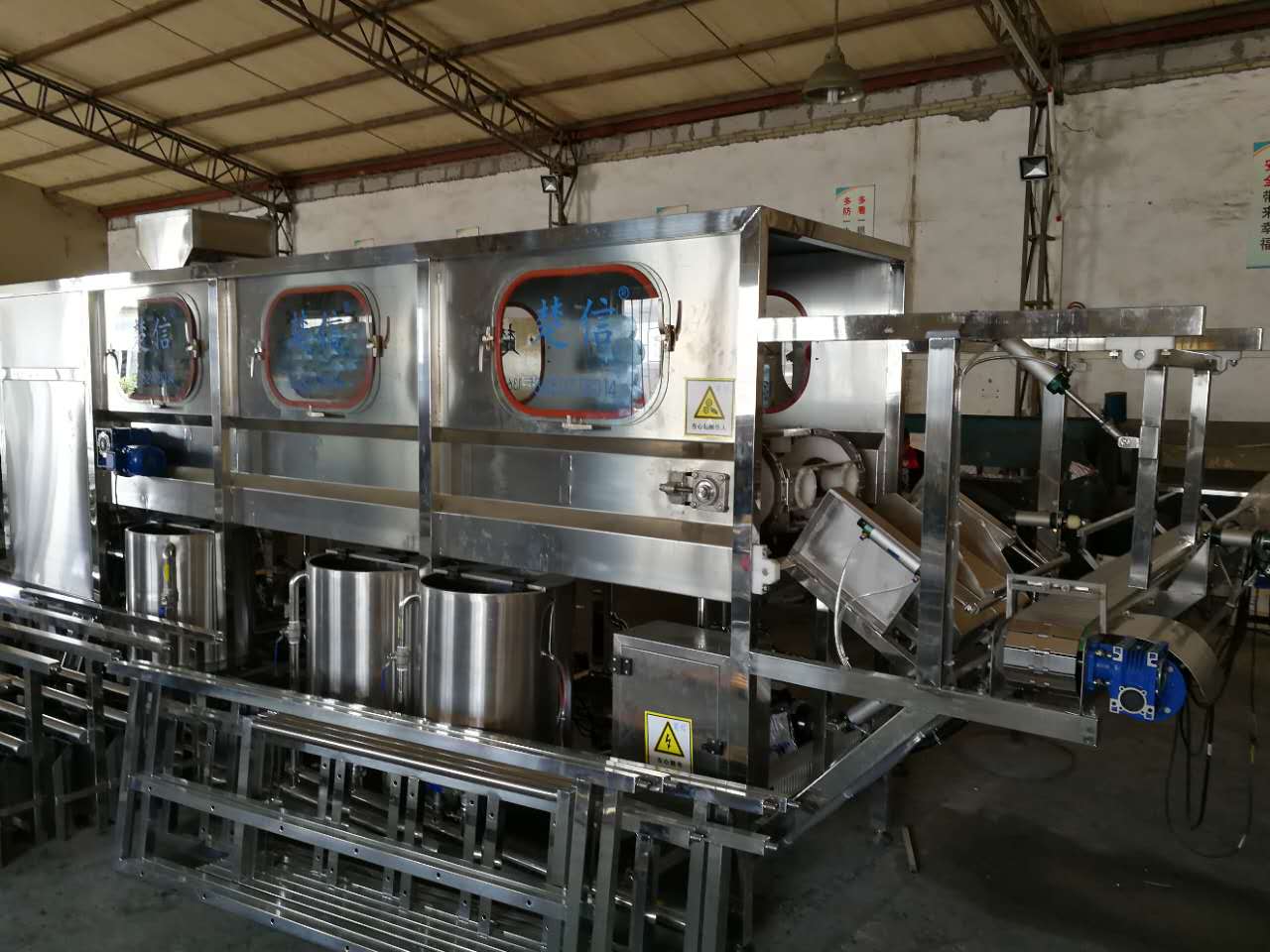
- Synchronized bottle washing, filling, capping, and inspection minimize manual intervention
- Enhanced precision and consistency across batches
- Improved traceability and reduced waste thanks to refined process control Although the upfront investment might appear substantial, the long-term gains from increased efficiency and diminished error rates typically justify the cost of automation.
Myth 4: Standardized Maintenance Plans Suffice
Fact: Effective after-sales support transcends basic maintenance agreements. It should encompass:
- Comprehensive operator training programs
- Availability of genuine spare parts
- On-site commissioning and troubleshooting services Proactive support measures ensure minimal downtime and peak performance throughout the system's lifespan.
Practical Selection Criteria for Upgrades
Evaluate Current Infrastructure
Prior to acquiring new equipment, assess your existing setup by considering:
- Factory layout limitations
- Accessibility of utility connections
- Potential for integration with current systems
Establish Production Requirements
Clearly define your output objectives, including:
- Desired capacity (bottles/hour)
- Bottle sizes supported (e.g., 5L, 11.3L, 18.9L)
- Preferred automation level
Prioritize Hygiene & Safety Features
Emphasize attributes that bolster safety and cleanliness, such as:
- Dual-stage RO + ozone/UV for purified water
- Integrated cleaning-in-place (CIP) systems
- Adherence to pertinent food safety standards
Plan for Scalability
Opt for a solution capable of accommodating future expansion, featuring:
- Modular design enabling incremental upgrades
- Flexible configurations supporting multiple product lines
- Expandable capacity without necessitating a complete overhaul
Conclusion
Undertaking an upgrade project involves more than merely procuring new machinery. It demands meticulous attention to technical prerequisites, adherence to regulatory norms, and foresight regarding long-term operational needs. By grasping the realities behind typical myths, you can make well-informed choices that enhance your investment’s efficacy and elevate overall productivity. For tailored advice aligned with your specific circumstances, reach out to our team today to explore how we can assist with your upgrade endeavor.