
Industrial Equipment Pricing Factors: Configuration Trade-offs for Water Filling Lines
Industrial Equipment Pricing Factors: Configuration Trade-offs for Water Filling Lines
For procurement managers and operations leads in the beverage, food, and pharmaceutical sectors, evaluating industrial equipment pricing factors is rarely about comparing base unit costs. The final investment for a water treatment and filling system is determined by the intersection of source water characteristics, target product standards, required throughput, and facility constraints. At Chuxin Mingwei, we engineer non-standard solutions where every specification change alters the cost structure.
This analysis breaks down the primary cost drivers for custom water filling lines, helping decision-makers distinguish between essential capabilities and optional features.
1. Source Water Quality and Purification Process Complexity
The most significant variable in system pricing is the gap between your raw water quality and the required output standard. A generic "water treatment system" quote is insufficient without a water quality report.
- Spring Water Retention (NF + UF):*
- If your goal is to produce bottled spring water while retaining natural minerals, the system requires a Dual-membrane Nanofiltration (NF) + Ultrafiltration (UF) process. This configuration is technically distinct from standard reverse osmosis, balancing purification efficiency with mineral retention. The specialized membrane arrays and pressure controls for NF processes typically represent a different cost tier compared to standard desalination setups.
- Deep Purification (Dual-Stage RO):*
- For purified water requiring near-zero dissolved solids, a two-stage Reverse Osmosis (RO) process is standard. Pricing scales with the inclusion of downstream sterilization units, such as ozone generators and UV systems, which are critical for meeting pharmaceutical or high-end beverage hygiene standards.
Decision Insight: Do not optimize for the lowest initial equipment cost if it forces you to compromise on the specific water profile your brand promises. The cost difference often lies in the membrane selection and the complexity of the pre-treatment stage required to protect those membranes.
2. Filling Accuracy and Mechanical Integration
In automated packaging, pricing is heavily influenced by the mechanical precision required for your specific packaging format (e.g., large barrels vs. small PET bottles).
- Precision Standards:*
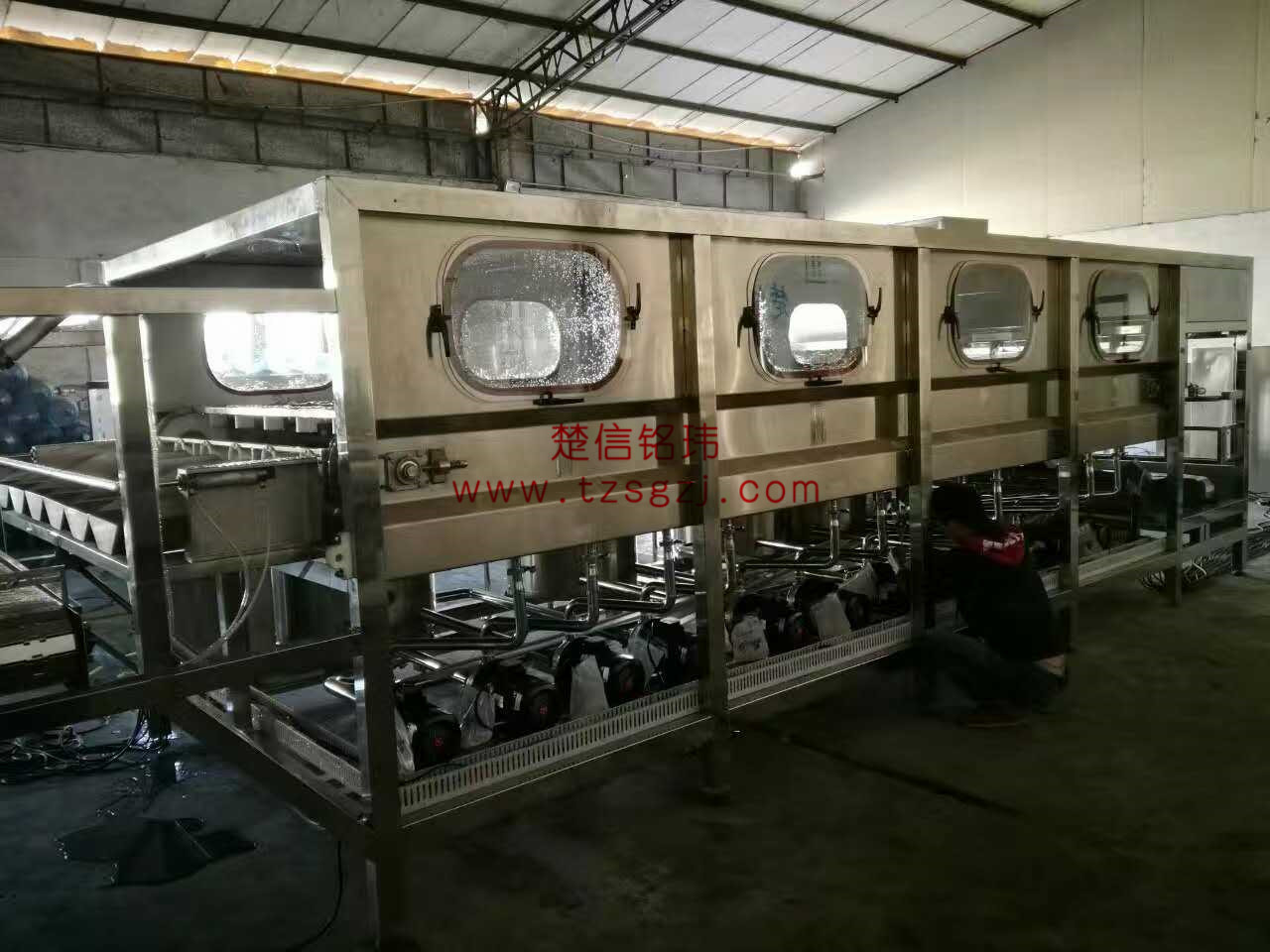
- High-end filling lines, such as our integrated bottle washing-filling-capping units, are engineered for high filling accuracy and consistent capping performance. Achieving this level of consistency requires higher-grade servo motors, advanced flow meters, and robust PLC-based intelligent control systems. Lower-cost alternatives often rely on gravity filling or less sophisticated volumetric controls, which may increase long-term waste and giveaway costs.
- Format Flexibility:*
- A line capable of handling multiple bottle sizes (e.g., 5 L, 11.3 L, and 18.9 L) requires adjustable conveyor systems, changeable star wheels, and adaptable capping heads. While this increases the initial capital expenditure, it reduces the need for duplicate lines when expanding product portfolios.
Operational Context: Capacity ratings must be validated against your actual shift patterns and upstream water supply limits. Over-specifying speed without considering downstream packaging bottlenecks leads to unnecessary expenditure. Final capacity calculations should account for process water usage, cleaning cycles, and planned runtime, not just theoretical maximums.
3. Clean Air and Environmental Compliance
For pharmaceutical clients or premium beverage producers, the filling environment is as critical as the water itself. Pricing factors here extend beyond the filler to the surrounding infrastructure.
- Cleanroom Classifications:*
- Systems designed to operate within certified cleanroom environments require specific airflow dynamics, duct routing, and pressure zoning. Upgrading to higher cleanliness classes involves higher-efficiency HEPA filtration systems and more rigorous sealing of the production zone.
- Integration Scope:*
- A comprehensive quote should include the engineering required to integrate these air purification systems with the water line's layout. Site-specific engineering—calculating airflow ranges based on room volume and personnel flow—is a service component that adds value but also cost.
4. Service Scope and Lifecycle Support
The lowest sticker price often excludes critical implementation phases. True industrial equipment pricing factors must account for the total cost of ownership:
- Engineering & Design:*
- Custom solutions require detailed mapping of equipment capabilities to real-world operational contexts. This includes layout design based on actual facility constraints.
- Commissioning & Training:*
- Effective handover involves operator training and on-site commissioning to ensure the PLC logic matches your production reality.
- After-Sales Boundaries:*
- Clarify what is included in post-installation support. Sustained support ensures that issues like filter replacement schedules or sensor calibration are managed proactively, preventing costly downtime.
Conclusion: Prioritizing Applicability Over Lowest Bid
When reviewing quotes for water treatment and filling equipment, focus on the applicability of the proposed configuration to your specific source water and production goals. A system engineered for stability and long-term maintainability may have a higher upfront cost but will deliver superior ROI through reduced waste, consistent product quality, and minimized downtime.
At Chuxin Mingwei, we prioritize transparent scoping. We define exactly what is included in the design, manufacturing, and support phases to ensure your budget aligns with your operational requirements.
Next Steps for Procurement Teams
To obtain an accurate assessment of pricing factors for your project:
- Prepare Source Data: Gather recent raw water quality reports and define your target output standards.
- Define Capacity Needs: Calculate required output based on peak demand, accounting for process losses and maintenance windows.
- Map Facility Constraints: Identify available floor space and existing utility connections (power, compressed air, drainage).
Contact our engineering team to discuss your specific scenario. We provide detailed configuration proposals that clarify service scope and delivery workflows, ensuring your investment supports stable, scalable production.
Recommended
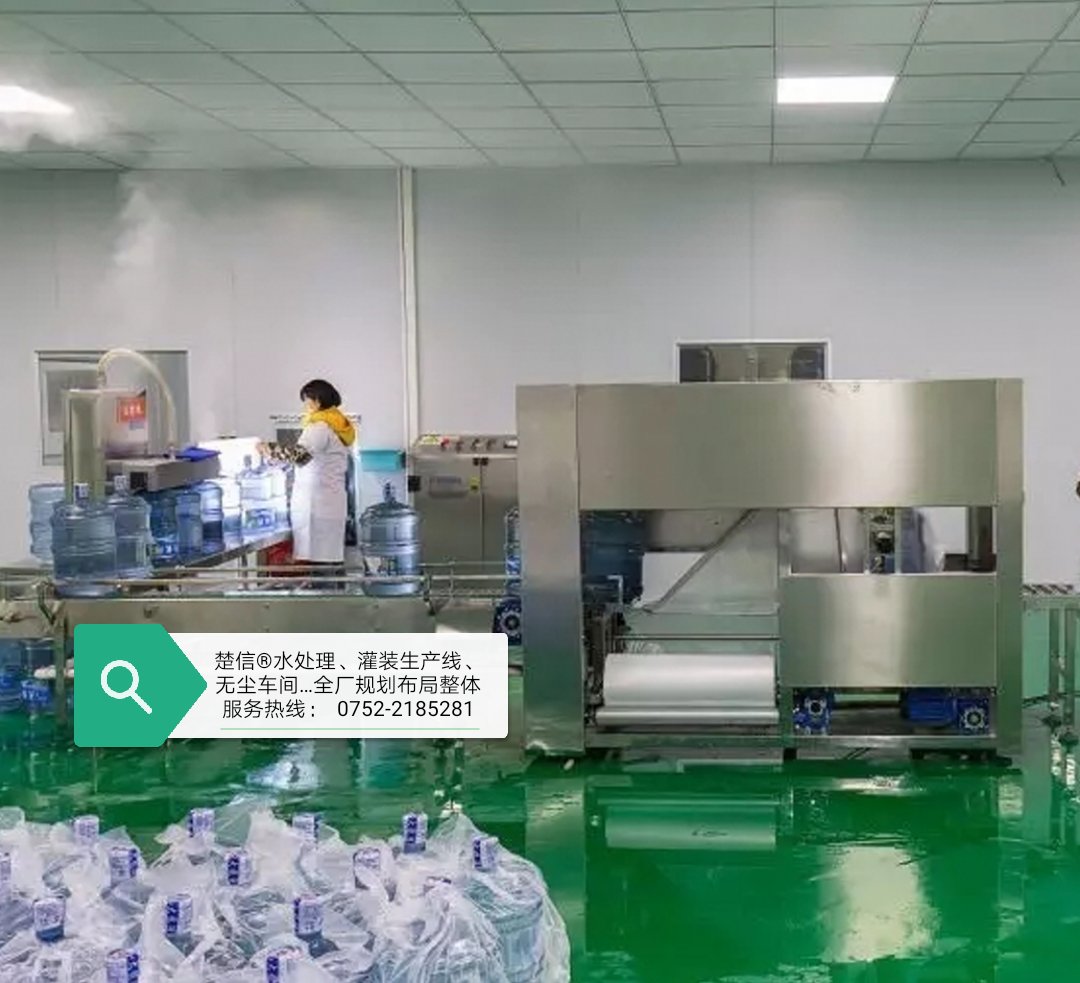
Clean Air Purification Systems
Custom-engineered air purification systems for water bottling and barrelled water fillin...
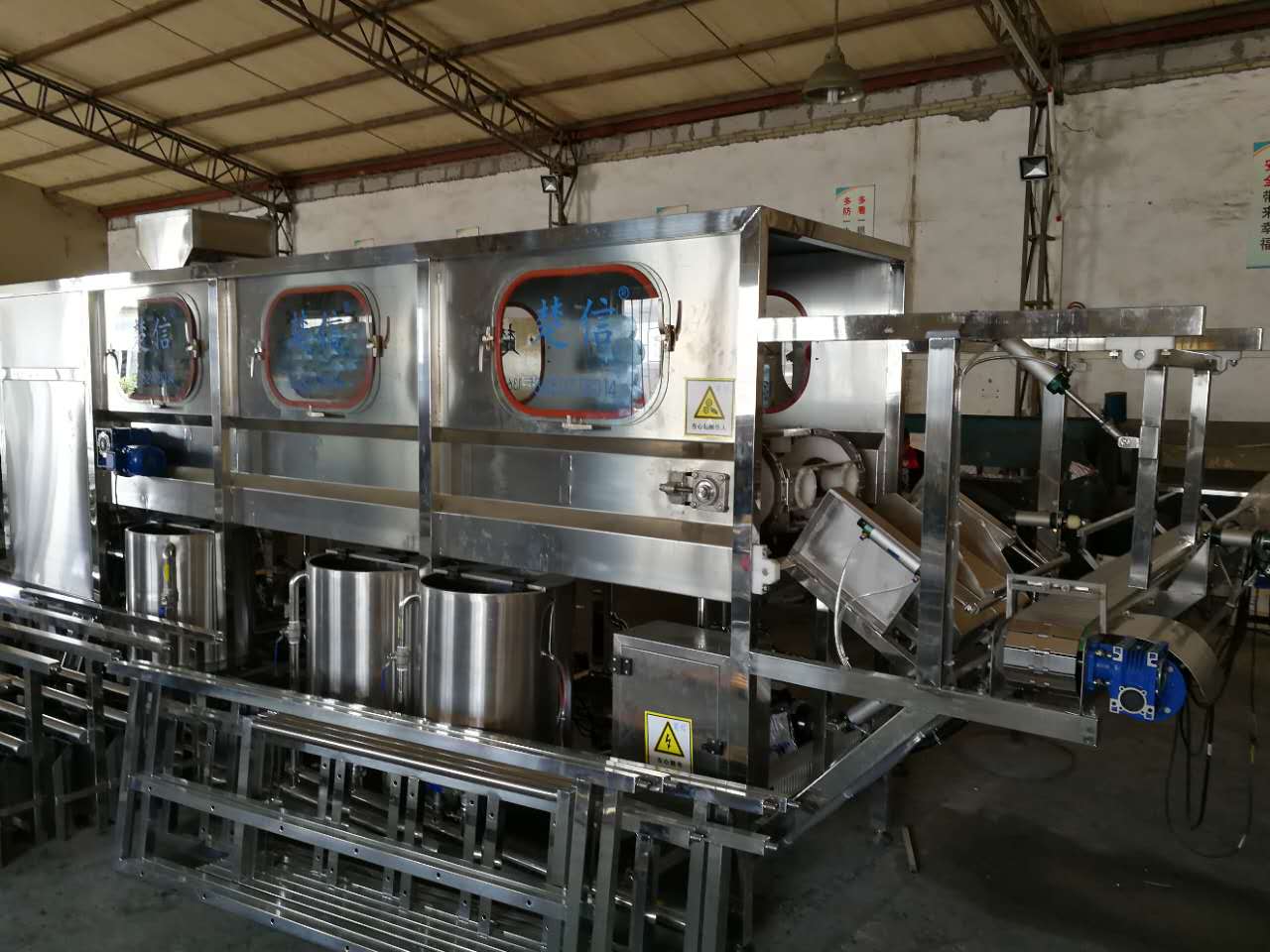
Barrelled Water Sterilization & Filling Production Line
A fully integrated, modular production line for sterilized barrelled water — engineered...
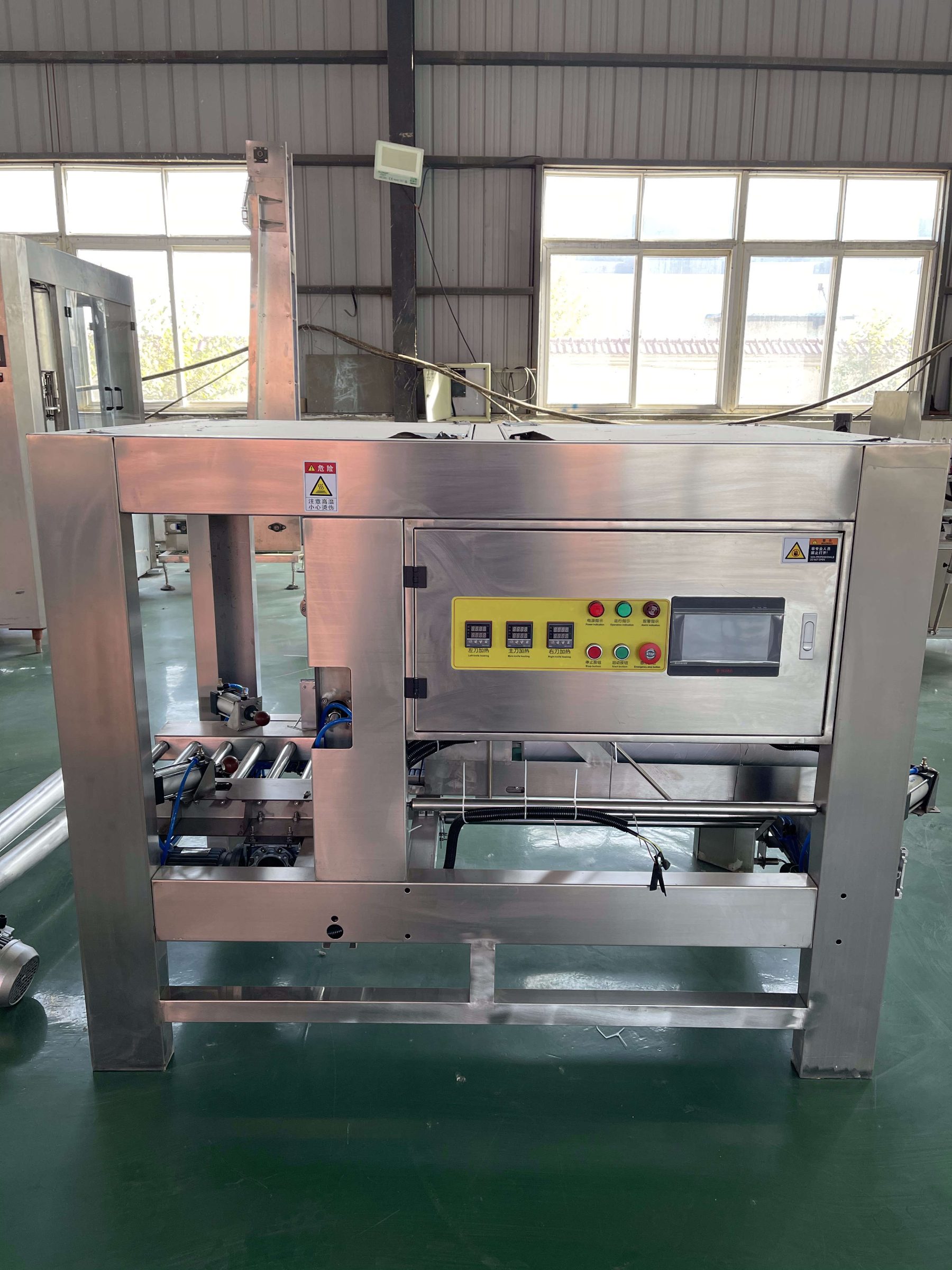
Automatic Barrel-Wrap Packaging Machine for Drinking Water
A fully automated, food-grade barrel-wrapping solution engineered for bottled water prod...