
Comprehensive Guide to Troubleshooting EDI Product Water Resistivity Drop in New Installations
Comprehensive Guide to Troubleshooting EDI Product Water Resistivity Drop
Newly installed Electrodeionization (EDI) systems are designed to deliver high-purity water by maintaining optimal resistivity levels. However, a sudden drop in EDI product water resistivity can indicate underlying issues that require immediate attention. This article focuses on diagnosing and resolving such problems in new installations.
Understanding the Core Issue
When resistivity decreases in a newly built EDI system, it often points to inefficiencies or contamination within the purification process. Key areas to investigate include:
- Instrumentation Calibration: Faulty sensors or improper calibration during installation.
- Water Source Variability: Changes in raw water quality not accounted for during design.
- Pre-Treatment Effectiveness: Inadequate filtration or softening processes.
- EDI Module Integrity: Potential fouling, scaling, or membrane damage during setup.
- Post-Treatment Contamination: Introduction of impurities during storage or distribution.
Real-World Scenarios
Example: Beverage Production Line
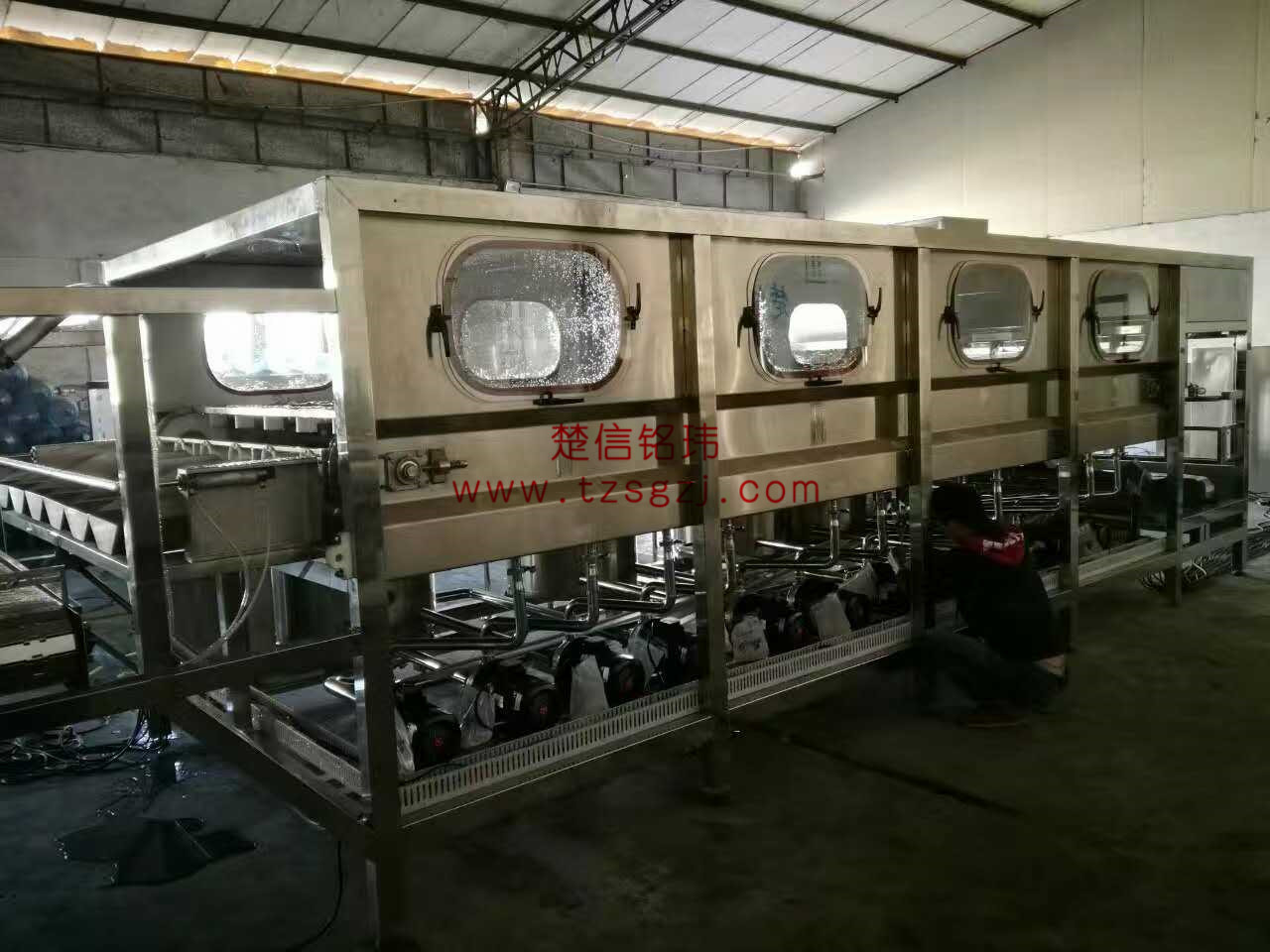
In a beverage production facility using an EDI system for purified water, a resistivity drop could compromise product quality. For instance, if the pre-treatment stage fails to remove specific contaminants, the EDI module may struggle to achieve the desired purity level. This scenario highlights the importance of aligning pre-treatment with actual water conditions.
Diagnostic Steps
To systematically address the issue, follow these steps:
- Verify Instrumentation Accuracy: Ensure all sensors are calibrated correctly post-installation.
- Analyze Raw Water Composition: Compare current water quality against baseline data used during system design.
- Inspect Pre-Treatment Components: Confirm that filters and softeners meet operational requirements.
- Evaluate EDI Module Condition: Look for signs of fouling, scaling, or other physical damage.
- Assess Post-Treatment Processes: Identify any potential contamination sources downstream.
Common Causes and Solutions
| Cause | Solution |
|---|---|
| Improper Sensor Calibration | Perform recalibration according to manufacturer guidelines. |
| Unaccounted Raw Water Variability | Adjust pre-treatment settings based on updated water analysis. |
| Insufficient Pre-Treatment | Upgrade or replace underperforming components. |
| Damaged EDI Membranes | Clean or replace membranes as necessary. |
| Contaminated Storage Tanks | Implement regular sanitization protocols for tanks and piping. |
Preventive Measures
To minimize future occurrences, consider the following practices:
- Conduct thorough commissioning checks before full-scale operation.
- Monitor water quality parameters continuously using reliable instrumentation.
- Train operators on recognizing early warning signs of system inefficiency.
- Maintain comprehensive logs of system performance and maintenance activities.
Conclusion
Decreased EDI product water resistivity in new installations can be addressed through systematic troubleshooting and preventive measures. By following the outlined steps, you can ensure stable operation and consistent output quality from your water treatment system.
Next Steps
For persistent issues or customized solutions, consult Chuxin Mingwei's team of experts. Our services encompass design, manufacturing, installation, commissioning, operator training, and after-sales support tailored to your specific needs.
Call to Action
Enhance the reliability of your water treatment system with Chuxin Mingwei's specialized support. Contact us today for a consultation or request a custom solution designed for your facility.