
Enhancing FAQ Pages for Industrial Water Treatment and Filling Equipment Buyers
Introduction
For procurement managers and operations leads in the beverage, food, pharmaceutical, and electronics industries, a well-structured FAQ page with visual explanations is critical during equipment evaluation. It clarifies technical boundaries, delivery scope, and integration prerequisites, enabling informed decision-making.
Who Needs Enhanced FAQ Content?
Procurement and project teams benefit most from detailed, scenario-specific FAQ explanations when evaluating:
- Water treatment systems
- matching source water quality to target standards
- Bottled and barrelled water filling lines
- aligned with bottle sizes, output capacity, and automation level
- Clean air solutions
- meeting cleanroom classification and integration requirements
- End-to-end service scope
- covering design, installation, commissioning, and after-sales support
When to Use Visual Problem-Solution Explanations
Visual explanations are most effective in addressing the following implementation challenges:
1. Clarifying Equipment Integration
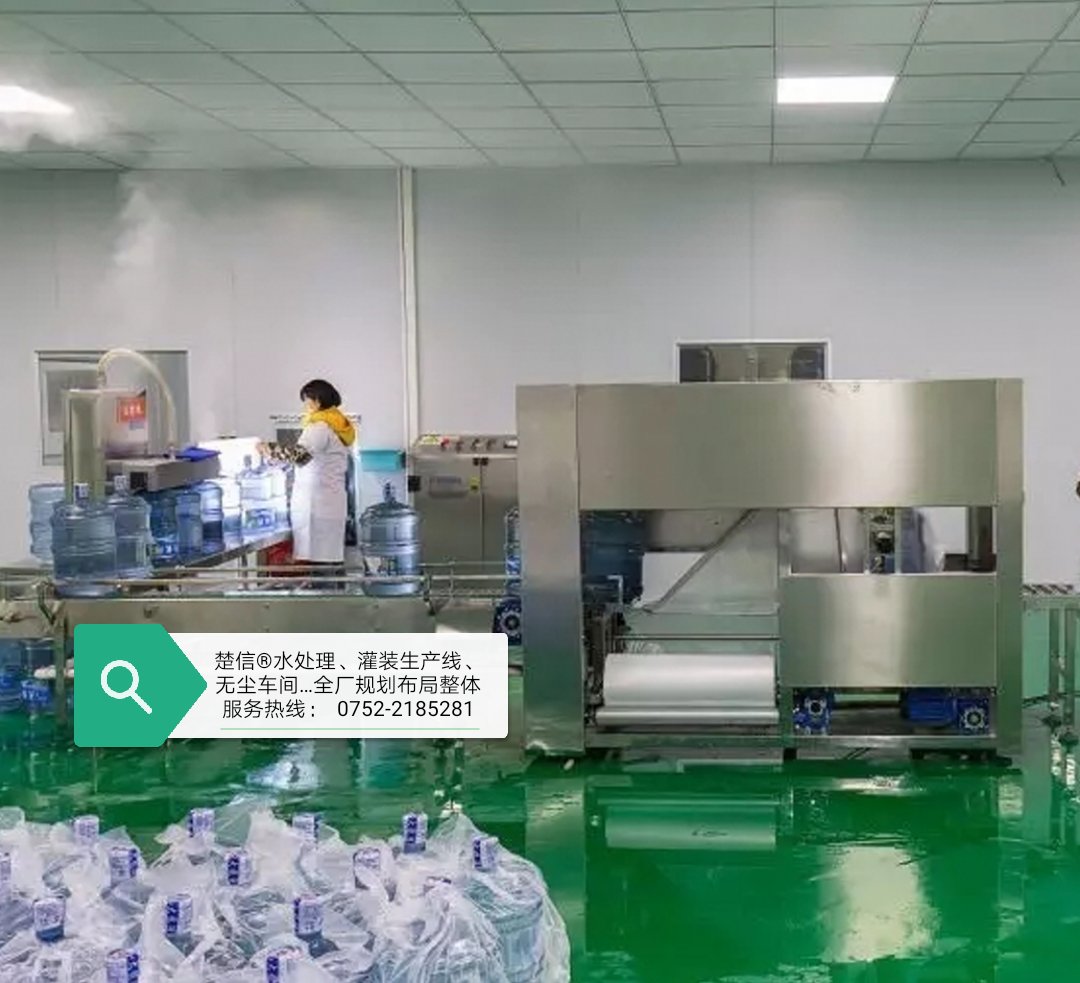
Illustrations showing how a bottled water filling line connects with upstream water treatment and downstream packaging systems help buyers visualize workflow synchronization, space requirements, and interface points.
2. Demonstrating System Maintenance Access
Diagrams highlighting access points for filter replacement, valve inspection, and control panel diagnostics support long-term maintainability assessments and operator training planning.
3. Explaining Process Variability
Comparison visuals or flowcharts can clarify how different purification methods (e.g., NF+UF vs. dual-stage RO) impact mineral retention, system efficiency, and operational costs.
Key Implementation Considerations
When designing FAQ content with visual explanations, ensure it:
1. Reflects Real-World Scenarios
Use actual system layouts, control interfaces, and component diagrams that match real installations. This builds credibility and helps buyers align equipment with their facility constraints.
2. Defines Service Scope and Boundaries
Clearly state what is included in the delivery (e.g., design, installation, commissioning) and what remains the buyer’s responsibility (e.g., site preparation, utility connections).
3. Highlights Critical Decision Points
Incorporate decision trees or checklists that guide buyers through key selection factors, such as bottle size compatibility, output capacity, and cleanroom classification.
Risks of Generic or Incomplete FAQ Content
Avoid the following when developing FAQ content:
- Overgeneralized descriptions
- that fail to address real implementation challenges
- Missing visual context
- that leaves buyers uncertain about layout and integration
- Unspecified service boundaries
- that lead to post-installation disputes or delays
Next Steps for Buyers
To make the most of enhanced FAQ content:
- Request system diagrams
- showing equipment dimensions, interface points, and control logic
- Ask for annotated illustrations
- of maintenance access points and service workflows
- Verify compatibility
- with your water source quality, production capacity, and facility layout
Conclusion
Well-designed FAQ pages with visual problem-solution explanations help buyers make informed decisions, reduce implementation risks, and align expectations with delivery scope. By focusing on real-world scenarios and technical clarity, industrial equipment providers can better support procurement and operations teams during the evaluation and implementation phases.
Call to Action
For more detailed guidance on evaluating water treatment and filling equipment, contact Chuxin Mingwei for technical documentation, system diagrams, and implementation checklists tailored to your production requirements.