
Glass vs. PET Bottles for Carbonated Beverages: Critical Filling Line Configuration Differences
Glass vs. PET Bottles for Carbonated Beverages: Critical Filling Line Configuration Differences
Selecting the wrong filling line configuration for your carbonated beverage packaging material is a leading cause of production downtime, bottle deformation, and safety incidents. While both glass and PET (Polyethylene Terephthalate) are standard for sodas and sparkling waters, they require fundamentally different engineering approaches regarding pressure containment, bottle handling, and sterilization.
For procurement managers and operations leads, the decision is not merely about the bottle shape; it determines the type of filling valves, conveyor systems, and air-handling requirements your facility must support. This analysis breaks down the specific technical divergences to guide your equipment selection.
The Core Engineering Divergence: Pressure and Temperature
The primary differentiator lies in how the material reacts to internal pressure and thermal stress during the filling process.
PET Bottles: Internal Pressure Management
PET bottles rely on their molded shape and material tension to hold carbonation. During filling, the line must manage isobaric (counter-pressure) filling precisely. If the pressure inside the bottle does not match the tank pressure exactly, CO2 escapes, causing foaming and inconsistent fill levels.
Furthermore, PET is sensitive to temperature. Unlike glass, it cannot withstand high-temperature hot filling (above 85°C) without special heat-set treatment. Most carbonated PET lines operate at ambient temperatures, requiring strict control over the dissolved oxygen and CO2 loss during the transfer. The filling valve must create a perfect seal on the plastic finish, which can vary slightly more than glass due to molding tolerances.
Glass Bottles: Thermal Shock and Weight
Glass is inert and impermeable, offering superior barrier properties but introducing significant weight and fragility risks. Glass lines often support hot filling for certain mixers, requiring valves and tanks made of higher-grade stainless steel to withstand thermal shock.
The critical risk here is bottle breakage. A glass line requires robust inspection systems (empty bottle inspectors) before the filler to detect micro-cracks that could explode under pressure. Additionally, the sheer weight of glass demands heavier-duty conveyors and star wheels compared to the lightweight air-conveying systems often used for PET.
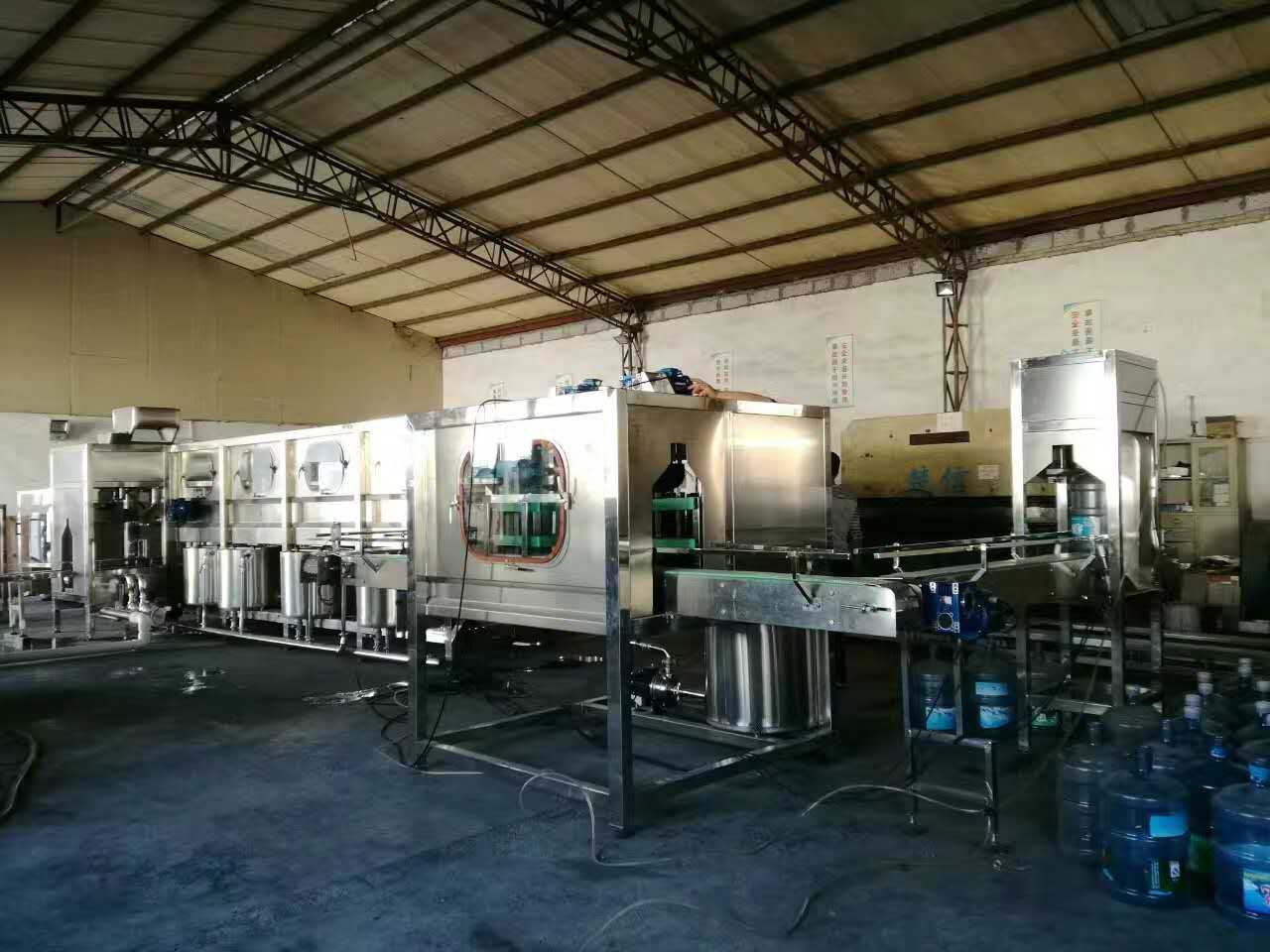
Key Configuration Differences in Filling Lines
When evaluating suppliers, your technical agreement must specify these distinct components based on your chosen container.
1. Filling Valve Technology
- PET Lines:*
- Typically utilize long-tube isobaric filling valves. These valves extend deep into the bottle to minimize turbulence and foam formation. The sealing mechanism must accommodate the slight flexibility of the PET neck finish. Precision is critical; even a 2mL deviation can lead to under-filled claims or over-pressurized caps.
- Glass Lines:*
- Often use mechanical or electronic gravity/isobaric valves designed for rigid necks. Because glass necks are dimensionally stable, the sealing tolerance is tighter. However, the valve material must be compatible with potential CIP (Clean-in-Place) temperatures if hot washing is employed.
2. Bottle Conveying Systems
This is where many generic line designs fail.
- PET Conveying:*
- Modern PET lines increasingly use air conveyors. By suspending bottles by their neck rings using airflow, these systems reduce friction, eliminate the need for lubricating water (improving floor safety), and allow for flexible routing. This aligns with industry trends where reducing water usage and contamination risk is a priority.
- Glass Conveying:*
- Requires chain-and-slat conveyors with specific lubrication systems. The heavy weight of glass necessitates robust drive motors and wear strips. The layout must include gentle transfer points to prevent clinking and breakage. Air conveying is generally not viable for standard glass due to weight.
3. Sterilization and Cleanliness
For carbonated beverages, microbial stability is key.
- PET:*
- Since the bottles are often blow-molded on-site or nearby, the risk of internal contamination is low, but the exterior must be protected. Some lines integrate UV sterilization or ionized air rinsing before filling.
- Glass:*
- Returned glass (if applicable) requires aggressive caustic washing. Even with new glass, the line may require a dedicated rinse station using sterile water or peracetic acid to ensure the interior is sterile before the product enters.
As noted in industry equipment standards, the cleaning dead angles in the valve system are a critical quality point. Whether for PET or glass, the design must ensure no product residue remains in the valve seat, which could ferment and cause spoilage or off-flavors in the next batch.
Selection Criteria and Risk Boundaries
Before requesting a quote, define these parameters to ensure the supplier proposes the correct architecture:
- Bottle Neck Finish Specification: Provide the exact drawing of your bottle neck (e.g., PCO 1881 for PET, or specific glass finish codes). The filling valve turret is custom-machined for this interface. A mismatch here renders the line useless.
- Carbonation Level (Volumes of CO2): High-carbon products (e.g., cola) require more sophisticated counter-pressure control than lightly sparkling water. Ensure the filler's pressure rating exceeds your maximum product pressure by at least 20%.
- Changeover Flexibility: If you plan to run both glass and PET, know that this usually requires two separate filling blocks or a complete changeout of the turret and conveyors. Few "universal" fillers handle both efficiently without significant downtime.
- Capacity Matching: Do not just look at "bottles per hour." For PET, consider the blower capacity upstream. For glass, consider the depalletizer speed. The filler is only as fast as its slowest integrated component.
Implementation Risks to Avoid
- Underestimating Air Requirements:*
- PET lines with air conveyors and blowers have massive compressed air demands. Failing to size the compressor and dryer correctly leads to bottle deformation and line stoppages.
- Ignoring Neck Handling:*
- For PET, the entire conveying and filling process often relies on the neck ring. If your bottle design has a weak or non-standard neck ring, the line will jam. Glass relies on the base and body, requiring different guide rails.
- Foam Control:*
- In carbonated filling, foam is the enemy of speed. If the valve technology does not match the viscosity and carbonation level of your specific recipe, you will face constant foaming, leading to wet caps and label adhesion failures.
Conclusion and Next Steps
The choice between glass and PET dictates the mechanical heart of your production line. PET demands precision in pressure control and lightweight handling, while glass requires robustness against weight and thermal variance. There is no "one-size-fits-all" filler for carbonated beverages across these two materials.
To ensure your investment delivers stable output and compliance:
- Validate your bottle specs: Confirm neck finish and pressure ratings with your bottle supplier.
- Define your product matrix: List all SKUs, carbonation levels, and temperatures.
- Request a process flow diagram: Ask potential suppliers to map the specific valve type and conveyor method for your material.
Chuxin Mingwei specializes in engineered water treatment and filling solutions tailored to specific source water and packaging constraints. Whether you are deploying a high-speed PET line or a robust glass system, our team analyzes your facility layout and product parameters to propose a configuration that prioritizes long-term maintainability.
Request a Solution Consultation to discuss your specific carbonated beverage project requirements and receive a preliminary technical assessment.