
New EDI System: Troubleshooting Guide for Decreased Product Water Resistivity
Understanding the Issue
When a newly installed EDI system experiences a drop in product water resistivity, it indicates potential inefficiencies or malfunctions that need immediate attention. This guide outlines the key factors contributing to this issue and provides actionable solutions.
Core Causes of Reduced Resistivity
- Insufficient Pre-treatment: Poorly designed or malfunctioning pre-treatment processes can allow contaminants to enter the EDI module, affecting its ability to produce high-resistivity water.
- Membrane Performance Degradation: Over time, EDI membranes may degrade due to chemical exposure, physical wear, or improper cleaning practices.
- Incorrect Operational Parameters: Deviations from recommended flow rates, pressures, or temperatures can compromise the efficiency of the EDI process.
- Instrument Calibration Errors: Inaccurate readings from improperly calibrated instruments can lead to incorrect assumptions about system performance.
Detailed Troubleshooting Process
Step 1: Evaluate Pre-treatment Effectiveness
Ensure that the pre-treatment system is effectively removing impurities before water enters the EDI module. Check for signs of clogging, filter saturation, or malfunctioning components.
Step 2: Review Operational Settings
Compare current operational parameters with manufacturer recommendations. Adjust flow rates, pressures, and temperatures as necessary to optimize EDI performance.
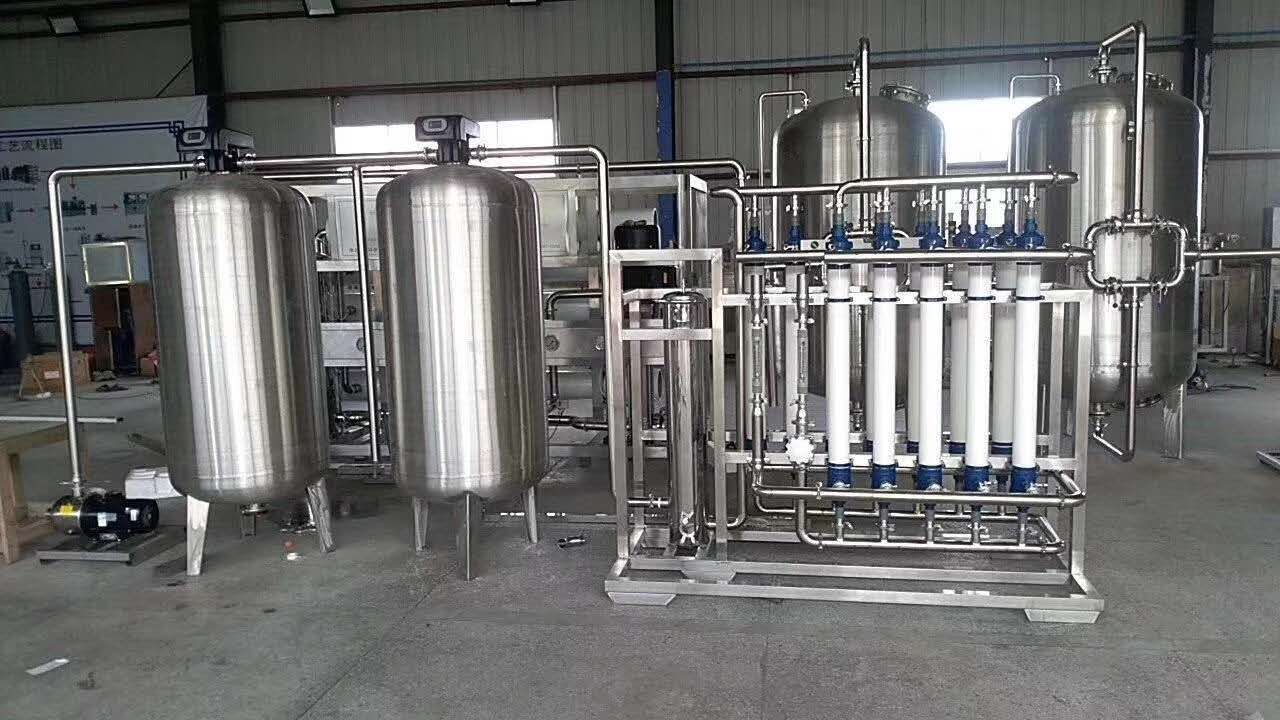
Step 3: Inspect Membranes and Components
Conduct a thorough inspection of EDI membranes and other internal components. Replace any damaged or degraded parts promptly.
Step 4: Verify Instrument Calibration
Check all instruments involved in measuring water resistivity. Ensure they are properly calibrated and functioning within acceptable tolerances.
Real-World Considerations
- Material Compatibility: Confirm that all materials used in the EDI system are compatible with the chemicals and conditions present during operation.
- System Integration: Assess how the EDI system integrates with other parts of your water treatment process. Misalignment between components can cause inefficiencies.
- Maintenance Practices: Establish a regular maintenance schedule to prevent unexpected failures and extend the lifespan of your equipment.
Conclusion
Decreased product water resistivity in new EDI installations can stem from various factors, including inadequate pre-treatment, improper operational settings, or instrument calibration issues. By following the outlined troubleshooting steps and considering practical boundaries, you can identify and resolve these issues efficiently.
Next Steps
If the problem persists after following these steps, consult experienced service providers like Chuxin Mingwei for professional assistance. They specialize in custom water treatment solutions, offering comprehensive support from design and manufacturing to installation, commissioning, and long-term maintenance tailored to your specific needs.