
How to Troubleshoot Inconsistent Label Positioning on Sleeve Labeling Machines
How to Troubleshoot Inconsistent Label Positioning on Sleeve Labeling Machines
In a high-speed beverage or water bottling facility, inconsistent label positioning on a sleeve labeling machine is a critical bottleneck. When labels apply unevenly, it not only compromises the visual quality of the final product but can also cause jams in the downstream shrink tunnel. For operations leads managing automated packaging equipment, resolving this issue requires a systematic approach rather than random mechanical adjustments.
The Direct Answer: Inconsistent label positioning is primarily caused by a mismatch between the physical specifications of the bottle and label, improper synchronization with upstream and downstream conveyors, or misaligned positioning sensors.
Below is a practical diagnostic checklist to identify and resolve the root cause on your production line.
1. Verify Bottle and Label Specifications
The core function of sleeve labeling equipment is to complete label conveying, positioning, sleeving, and shrink forming for confirmed containers like plastic or glass bottles. If the physical inputs vary, the machine cannot maintain precision.
- Check Label Material and Dimensions:*
- Verify that the label's unfolded size, thickness, and material match the machine's current configuration. A change in label supplier or material shrinkage rate can cause the sleeve to catch or slip during application.
- Check Bottle Dimensions:*
- Ensure the bottles being fed into the labeler match the expected dimensions. Even minor variations in bottle diameter or neck shape from the blow-molding stage can disrupt the sleeve's drop path.
2. Inspect Conveyor Synchronization and Line Speed
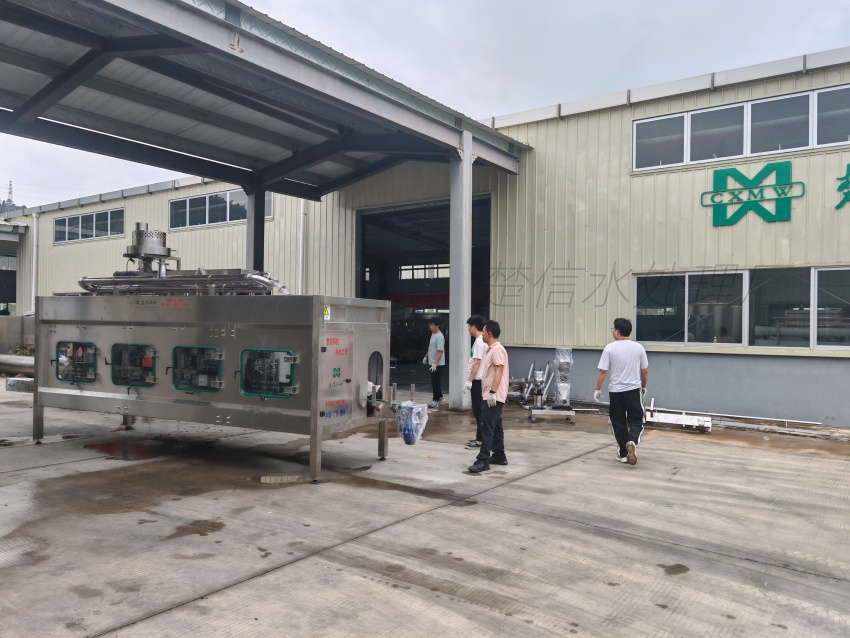
In a typical bottled water production line, the filling monoblock connects to upstream water treatment and bottle handling, and downstream to light inspection, inkjet coding, labeling, and packaging. The labeling station relies heavily on a steady, rhythmic flow of containers.
- Evaluate Line Rhythm:*
- Check the synchronization with upstream and downstream conveyors. If the infeed conveyor is pulsing or the downstream conveyor is pulling bottles too quickly, the bottle will not be stable under the labeling head.
- Assess Operating Speed:*
- Ensure the machine is running within its rated speed capacity. Pushing a labeler beyond its designed bottles-per-hour (BPH) limit often degrades positioning accuracy.
3. Calibrate Positioning Sensors and Mechanical Guides
Positioning accuracy is heavily dependent on the machine's ability to detect the bottle's exact location before dropping the sleeve.
- Clean and Align Photoelectric Sensors:*
- Dust, condensation, or water droplets from the upstream filling stage can blind optical sensors. Clean the lenses and verify that the sensor is triggered precisely at the bottle's shoulder or designated registration mark.
- Inspect Guide Rails:*
- Check the centering guide rails for wear or improper width settings. The bottle must be held perfectly vertical and centered as it passes under the mandrel.
4. Evaluate the Shrink Tunnel Method
Sometimes, the label is applied correctly but shifts before it is permanently set.
- Check Heat Distribution:*
- Review the shrink tunnel method (e.g., steam vs. electric heat). Uneven heat distribution can cause one side of the label to shrink prematurely, pulling the sleeve out of position. Ensure the tunnel temperature and conveyor speed are balanced for the specific label material.
Boundaries and Implementation Support
While operators can adjust sensors, guide rails, and temperature settings, persistent positioning issues may indicate a fundamental mismatch between the equipment's design and your actual production scenario. If your line handles frequent changeovers between different bottle formats (e.g., switching from 5L to 18.9L barrels), the mechanical changeover time and precision limits must be evaluated.
When basic troubleshooting fails to restore stability, it is often necessary to review the entire line's integration. Professional water plant equipment installation and commissioning ensures that the labeling machine's PLC controls are properly communicating with the filling and capping units, maintaining consistent torque, pressure, and pacing across the entire workflow.
Next Steps for Procurement and Operations Teams
Maintaining labeling precision requires strict control over consumable specifications and regular mechanical calibration. If you are planning a line upgrade or experiencing chronic integration issues, evaluate whether your current equipment matches your target capacity and packaging format.
Chuxin Mingwei engineers non-standard, site-specific water treatment and filling solutions. We map equipment capabilities to real-world operational contexts, ensuring that every component—from the RO purification system to the automated packaging equipment—delivers long-term maintainability.