
New Utility Readiness Guide for Water Filling Line Projects — What to Confirm Before Engineering Starts
Who This Guide Is For
Facility managers, plant engineers, and EPC coordinators responsible for new or upgraded beverage, food, or pharmaceutical production facilities in China. You’re preparing for a custom water filling line (e.g., 18.9 L bottled spring water line or 5-gallon purified water line) — but your site’s utilities aren’t yet verified or documented.
Why Utility Readiness Matters — Before Engineering Begins
Chuxin Mingwei delivers non-standard, site-specific water treatment and filling systems. That means our engineering starts only after your actual site conditions are confirmed — not from generic assumptions. Skipping this step leads to redesign delays, installation bottlenecks, or performance gaps post-commissioning.
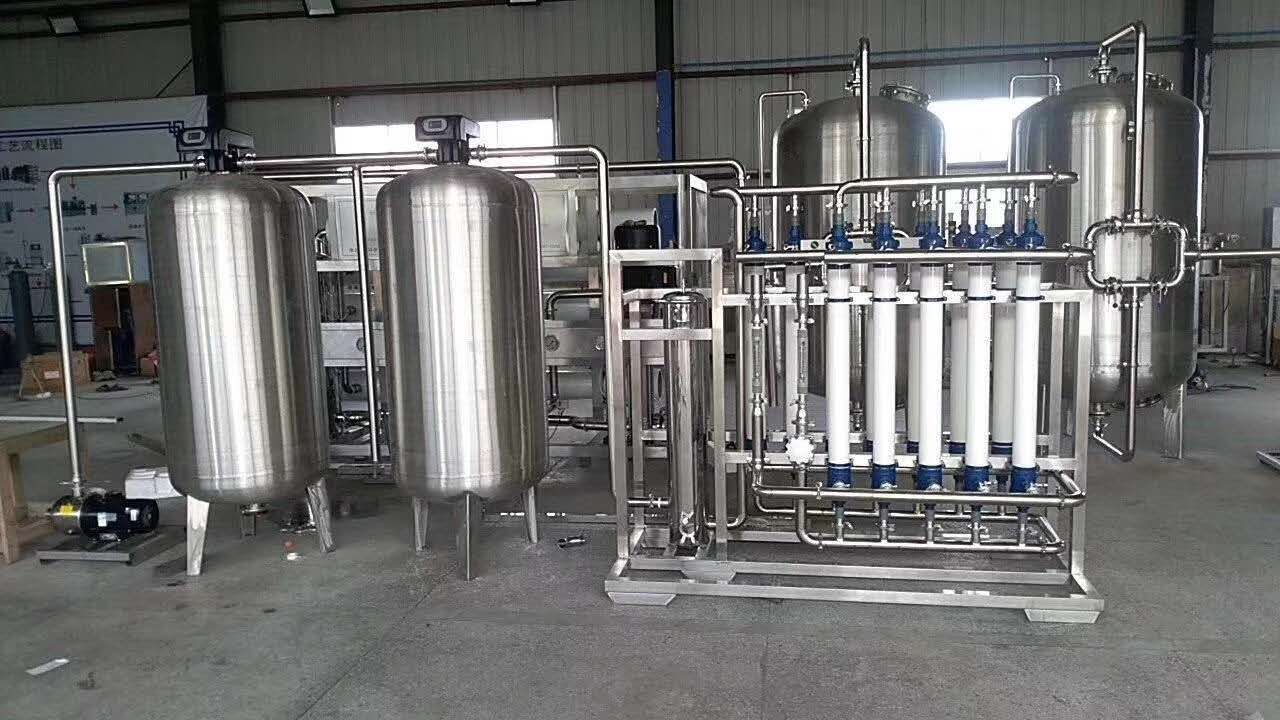
For example: A fully automatic bottled purified water filling line requires dual-stage RO combined with ozone and UV sterilization — which depends on stable feed water pressure, low turbidity, and consistent TDS. If raw water quality isn’t measured on-site, purification efficiency and mineral retention (critical for spring water lines) cannot be reliably engineered.
Similarly, ISO Class 8 clean air systems require precise airflow routing, static pressure zoning, and duct integration with your existing ceiling structure — none of which can be designed without verified floor-to-ceiling height, column spacing, and HVAC interface points.
Step-by-Step Utility Confirmation Checklist
1. Raw & Product Water Supply
- On-site lab report (≤6 months old) showing pH, TDS, hardness, iron/manganese, microbiology, and organic load
- Confirmed inlet pressure and flow rate sufficient to support rated line capacity plus CIP cycles and peak buffer demand
- Storage tank volume validated against operational needs — including short-term fluctuations during CIP, equipment startup, and scheduled downtime
2. Electrical Infrastructure
- Voltage stability and grounding resistance meeting industrial control system requirements
- Dedicated circuit capacity aligned with the selected line’s motor load, control cabinet, and auxiliary units (e.g., UV lamps, ozone generators)
- PLC control cabinets require isolated neutral and surge protection — confirm compatibility with your site’s electrical configuration
3. Compressed Air & Utilities
- Dry, oil-free compressed air supply suitable for bottle handling, capping, and pneumatic controls
- Cooling water availability if thermal management is needed for UV or ozone units
- Drainage capacity sufficient for CIP wastewater volume and flow rate — verified against floor slope, grating size, and local discharge regulations
4. Facility Layout & Cleanroom Integration
- Clear floor plan with column grid, ceiling height (minimum required for cleanroom airflow design), and door access width adequate for equipment delivery and maintenance
- Confirmed location of water treatment skid, filling zone, and packaging area — including inter-zone transfer paths and material flow logic
- Existing HVAC ductwork interface points and static pressure zones — required for HEPA air system integration
5. Boundary Clarification
- Chuxin Mingwei supplies equipment, control systems, and commissioning support — not
- civil works, main power supply upgrades, or municipal water connection
- Bottled water production line quotation includes mechanical/electrical integration within defined skid boundaries — external piping, structural modifications, or utility extensions must be specified separately
What Happens Next?
Once all items above are confirmed and shared with us:
- Our engineering team issues a Utility Compatibility Assessment
- (free, within 5 working days)
- We align purification process (NF+UF for spring water vs. dual-stage RO for purified water), filling accuracy (±2 mL), and cleanroom airflow (1,500–20,000 m³/h, project-specific) to your verified data
- Final scope, lead time, and installation sequence are locked in the technical agreement — no mid-project scope creep
If any item remains unconfirmed, we’ll flag it as a design dependency — delaying engineering start until resolved.
Ready to Begin?
Download our [Utility Readiness Data Sheet] (Excel template) or request a free pre-engineering site assessment. For immediate support, contact our project coordination team at engineering@chuxinmingwei.com — include your facility location, target line type (e.g., '18.9L spring water'), and current utility status.