
How to Verify if a Purified Water Line Complies with GB19298-2014 During Acceptance Testing
How to Verify if a Purified Water Line Complies with GB19298-2014 During Acceptance Testing
Direct Conclusion: Compliance Is Proven Through Independent Testing, Not Equipment Claims
If you’re a compliance manager or operations lead responsible for accepting a new Fully Automatic Bottled Purified Water Filling Production Line, your primary validation task is not to inspect machine speed or capping accuracy — it’s to confirm that the final product water meets GB19298-2014 microbiological and chemical safety standards. This requires third-party lab testing of filled bottles under production conditions, plus review of system design documentation.
Chuxin Mingwei’s line is engineered to support this standard through its dual-stage RO purification and integrated ozone + UV sterilization — but compliance is only confirmed when test results from actual output match regulatory thresholds.
Applicable Conditions: When This Validation Process Applies
This checklist is designed for:
- First-time adopters
- of automated bottled water lines in beverage, food, or pharmaceutical facilities.
- Compliance or QA managers
- responsible for regulatory sign-off during equipment commissioning.
- Projects where GB19298-2014
- is the mandated national standard for packaged drinking water.
The process assumes:
- The line includes core purification steps: multi-media filtration → activated carbon → dual-stage RO → ozone/UV final disinfection.
- Bottles are washed, filled, and capped in an integrated unit with minimal human intervention.
- Cleanroom air quality (if applicable) supports microbial control but does not replace water testing.
---
Step-by-Step Verification During Acceptance Testing
1. Confirm System Design Matches GB19298 Requirements
Review the equipment’s technical dossier for:
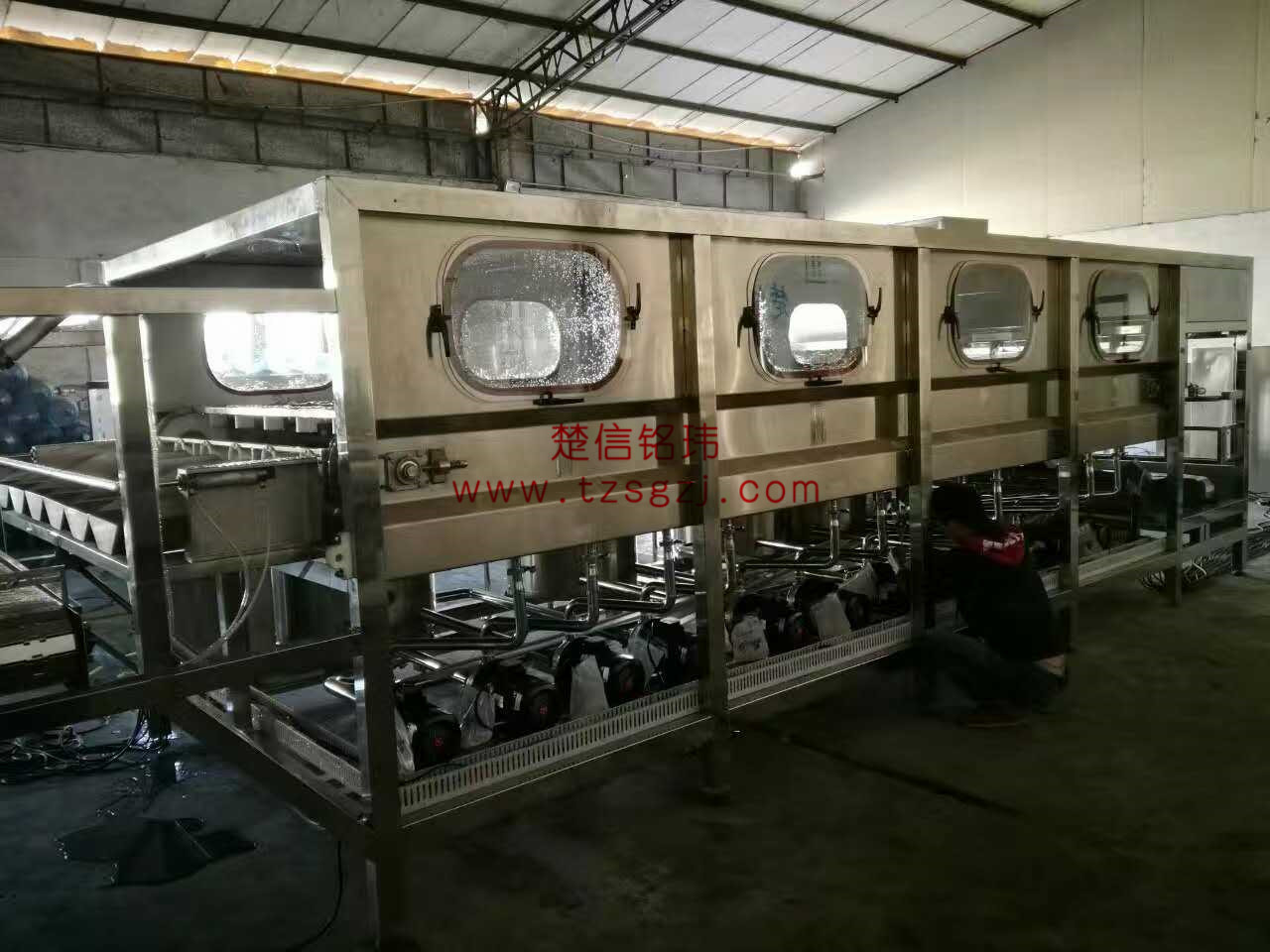
- Dual-stage RO configuration: Required for deep removal of dissolved solids and microbial precursors.
- Final disinfection method: Ozone + UV ensures residual microbial inactivation without chemical additives.
- Closed-loop filling environment: Minimizes post-treatment contamination risk — critical for meeting microbial limits in GB19298.
2. Conduct Third-Party Water Testing Under Production Load
Schedule sampling during continuous production runs at near-rated capacity. Test for:
- Microbiological indicators: Total plate count, coliforms, E. coli, molds/yeasts.
- Chemical parameters: Residual ozone, conductivity, TOC, heavy metals if source water risk exists.
Testing must be performed by an accredited external lab — internal QC tests are insufficient for regulatory acceptance.
3. Verify Operational Boundaries and Maintenance Protocols
Compliance isn’t a one-time event. Ensure:
- CIP cycles
- are documented and validated for all wetted surfaces.
- UV lamp intensity logs
- and ozone residual monitors are calibrated and recorded.
- RO membrane replacement schedule
- aligns with feedwater TDS and pressure drop trends.
Without these, microbial regrowth or chemical breakthrough can occur weeks after acceptance.
Key Risks If You Skip Structured Validation
- Regulatory rejection
- during market inspections, leading to production halts or recalls.
- False confidence
- from vendor brochures claiming “GB19298-compliant design” without test-backed proof.
- Cross-contamination
- from inadequate bottle washing or air handling — especially if cleanroom hygiene is misaligned with filling requirements.
---
Next Steps: What to Request From Your Supplier
Before commissioning:
- Demand a compliance roadmap — not just equipment specs, but a testing protocol aligned with GB19298 sampling methods.
- Require access to calibration records for all inline sensors (conductivity, ozone, pressure).
- Schedule joint sampling with your QA team and a third-party lab during FAT or SAT.
Chuxin Mingwei supports this process with site-specific engineering, operator training, and documentation packages — but ultimate compliance responsibility rests with the facility owner.
Final Note for Procurement and Compliance Teams
Don’t treat equipment acceptance as a mechanical handover. Treat it as a regulatory milestone. A purified water line may run smoothly and fill accurately — but if the water inside doesn’t pass GB19298, none of that matters. Start with the end standard in mind, validate backward, and document every step.
For projects serving Chinese domestic or export markets, align early with local testing authorities and ensure your supplier provides traceable process data — not just promises.