
Bottled Purified Water Filling Line: Avoiding Misconceptions in Cross-Team Upgrades
Bottled Purified Water Filling Line: Avoiding Misconceptions in Cross-Team Upgrades
When upgrading or extending a bottled purified water filling line, procurement managers, operations leads, and digital project teams often face challenges that stem from misunderstanding how equipment performance aligns with real-world production needs. These issues can lead to misaligned expectations, delayed implementations, and compliance risks.
In this article, we address common misconceptions related to capacity planning, integration complexity, and regulatory alignment when scaling up or modifying a bottled purified water filling system.
Myth #1: Increasing Production Capacity Is Just About Adding More Bottles per Hour
One widespread misconception is that boosting output simply means increasing the number of bottles filled per hour. However, true capacity expansion requires careful consideration of several factors beyond the basic throughput figure.
For example, Chuxin Mingwei's Fully Automatic Bottled Purified Water Filling Production Line offers a rated output capacity of 200–2,500 bottles/hour (customizable), but this depends on specific configurations such as bottle size, type, and the integration of upstream processes like water purification and downstream packaging.
Key Fact: According to the product specification, the system supports multiple bottle types including 5 L, 11.3 L, and 18.9 L bottles, with core purification processes involving multi-media + activated carbon filters and dual-stage RO technology.
This means that even if you increase the speed of the filling machine alone, without adjusting the water treatment or packaging stages accordingly, overall system efficiency may suffer due to bottlenecks or inconsistent product quality.
Myth #2: All Components Can Be Easily Integrated into Existing Systems
Another common assumption is that new filling lines can be seamlessly integrated into existing facilities. In practice, this often overlooks critical infrastructure compatibility and space constraints.
The fully automatic workflow of Chuxin Mingwei’s line includes synchronized bottle washing, filling, capping, and inspection — minimal manual intervention required. But integrating these components into an older plant requires detailed planning regarding:
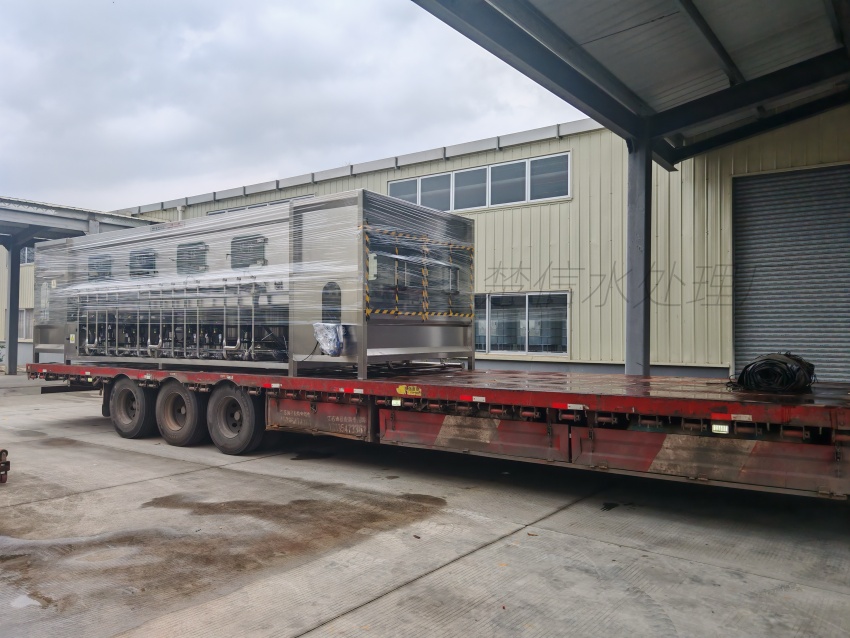
- Space availability for installation
- Electrical and compressed air supply
- Integration with current water treatment systems
- Alignment with existing packaging and labeling equipment
Key Fact: The system is designed to work with various bottle sizes and types, but the physical layout and mechanical interfaces must match the existing setup.
Failure to account for these elements can result in costly rework, extended downtime, or suboptimal performance.
Myth #3: Compliance Is Only About Meeting Standards Once
Many teams assume that once a line meets initial regulatory standards, ongoing compliance becomes straightforward. However, maintaining compliance over time involves continuous monitoring, maintenance, and adaptation.
Chuxin Mingwei’s solutions include comprehensive after-sales support, which ensures long-term stability and applicability. For instance, their clean air purification systems are engineered to meet ISO Class 8 (100,000) standards, and can be upgraded to Class 7 (10,000) depending on facility needs.
Key Fact: The cleanroom compliance features real-time diagnostics and remote-ready interfaces through PLC + HMI control, ensuring consistent environmental conditions throughout operation.
This level of support is essential for managing compliance across different regions and evolving regulations.
Practical Steps for Effective Upgrade Planning
To avoid these pitfalls, consider the following steps during upgrade or expansion planning:
- Conduct a Full System Audit: Evaluate all parts of the current line—from water treatment to packaging—to identify potential bottlenecks.
- Align with Operational Goals: Ensure that any upgrade supports both short-term production goals and long-term scalability.
- Engage Cross-Functional Teams Early: Involve procurement, operations, IT, and compliance personnel early to ensure alignment on technical and regulatory requirements.
- Plan for Integration: Review spatial, electrical, and mechanical compatibility before purchasing new equipment.
- Consider Ongoing Support: Choose vendors who offer full lifecycle support, including training, troubleshooting, and service updates.
By taking a holistic approach, organizations can significantly reduce risk and improve ROI on their water treatment and filling investments.
Conclusion
Upgrading or expanding a bottled purified water filling line is not just about adding capacity—it demands a strategic understanding of integration, compliance, and operational continuity. By dispelling myths around simple capacity increases, seamless integration, and static compliance, teams can make better-informed decisions that drive sustainable growth.
If you're considering an upgrade or extension of your bottled water production line, it's important to engage with a provider that understands both your technical needs and business context. Chuxin Mingwei offers tailored solutions designed to meet real-world production demands while supporting long-term operational excellence.
Next Step: Contact us to discuss your specific requirements and explore how our Fully Automatic Bottled Purified Water Filling Production Line can be customized for your unique application.
It is essential to consider the entire production ecosystem when upgrading a filling line, not just the filling machine itself. For instance, the capacity planning must account for upstream processes such as water purification and downstream packaging, as highlighted in , which states that systems like the JR-COMBI-01 (A) integrate blow molding, filling, and capping, requiring coordination across multiple stages. Additionally, emphasizes that while a machine might support various bottle sizes and types, the actual throughput depends on factors like bottle type, fill volume, and hygiene requirements, making it crucial to evaluate the full system rather than focusing solely on the filling speed.