
Diagnosing Inconsistent Fill Levels in RO-Based Purified Water Lines: A Practical Guide for Operators
Diagnosing Inconsistent Fill Levels in RO-Based Purified Water Lines
Target Audience: Operations Leads, Maintenance Technicians, and Procurement Managers managing beverage production lines.
The Operational Challenge
In a Fully Automatic Bottled Purified Water Filling Production Line, consistent fill volume is critical for compliance, cost control, and brand integrity. When operators notice inconsistent fill levels—where some bottles are under-filled while others overflow—the immediate reaction is often to call for external service. However, many of these issues originate from operational variables that can be diagnosed and resolved internally.
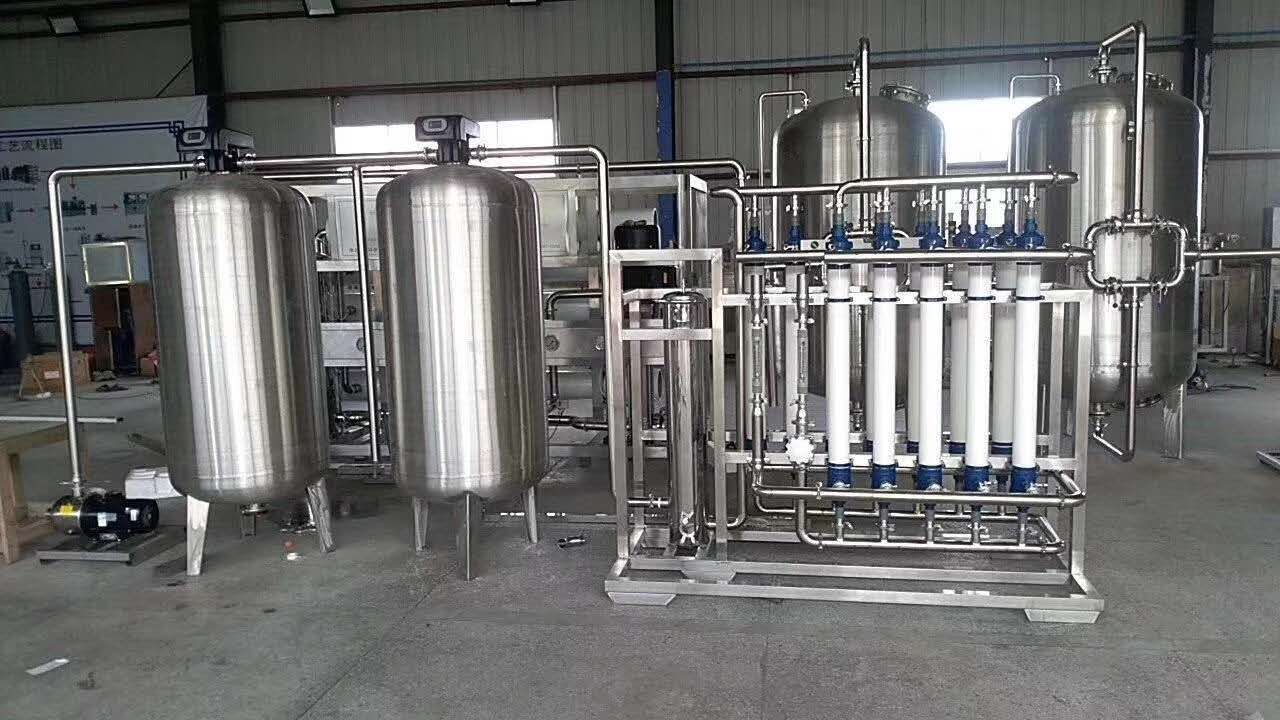
For lines utilizing a dual-stage RO reverse osmosis deep purification process combined with ozone and UV sterilization, fill consistency depends heavily on the stability of the liquid supply and the mechanical precision of the filling heads. Before escalating to engineering support, teams should verify three core areas: supply pressure stability, valve sealing integrity, and bottle handling alignment.
Step 1: Preparation – Distinguishing Systemic vs. Localized Issues
The first diagnostic step is determining whether the inconsistency affects the entire line or specific stations. This distinction narrows the scope significantly.
- Scenario A: All Filling Heads Fluctuating Simultaneously
*
If every nozzle shows similar variance (e.g., all slightly low or high), the issue is likely systemic. Check the following:
- Supply Tank Level:*
- Ensure the buffer tank maintains a stable level. Fluctuations here cause pressure drops at the filling valves.
- Pressure Stability:*
- Verify the pump output and pipeline pressure. For a line rated at 200–2,500 bottles/hour, sudden spikes or drops in flow rate directly impact fill accuracy.
- Water Quality & Temperature:*
- Changes in water temperature or viscosity (due to ambient conditions) can alter flow rates through the nozzles.
- Foaming:*
- If the purified water contains residual CO2 or surfactants, foam formation can trigger false sensor readings or displace liquid volume.
- Scenario B: Single Valve or Intermittent Abnormalities
*
If only one or two specific filling heads show deviation, the problem is localized. Focus your inspection on:
- Valve Sealing:*
- Inspect the filling valve seals for wear or debris. A compromised seal allows air ingress or liquid leakage, leading to inaccurate volumes.
- Sensor Calibration:*
- Check the liquid level sensors or flow meters associated with that specific station.
- Air Supply:*
- Ensure the pneumatic control for that valve has stable air pressure; fluctuations here affect the valve opening/closing timing.
Key Fact: As noted in industry maintenance protocols, when fill levels vary, operators must first check if the issue is global (supply/pressure) or local (valve/sensor). Adjustments should always be preceded by retaining alarm logs and trend data.
Step 2: Implementation – Checking Mechanical Variables
Once the scope is defined, proceed to physical verification. The Fully Automatic Bottled Purified Water Filling Production Line integrates synchronized washing, filling, and capping. Any disruption in this chain affects the final product.
1. Valve Sealing and Wear
Over time, the internal seals of filling valves degrade. If you observe a gradual drift in fill levels rather than a sudden jump, inspect the valve seats and O-rings.
- Action:*
- Replace worn seals immediately. Do not attempt to adjust the valve stem to compensate for a damaged seal, as this often worsens the leak path.
2. Bottle Handling and Positioning
The system relies on precise bottle positioning to trigger the filling cycle. If bottles are misaligned, the filling nozzle may not descend to the correct depth, or the sensor may fail to detect the bottle surface accurately.
- Action:*
- Check the conveyor chain tension and the bottle guide rails. Ensure bottles are upright and centered. For lines handling 5 L, 11.3 L, and 18.9 L bottles, verify that the changeover parts (if applicable) are securely locked in place. Even minor shifts in bottle diameter or height can disrupt the fill logic.
3. Pressure Stability
The RO reverse osmosis process produces water at a specific pressure. If the downstream pressure fluctuates due to pump cycling or pipe blockages, the fill volume will vary.
- Action:*
- Install or check pressure gauges at the inlet of the filling manifold. Ensure the pressure remains within the manufacturer's specified range for the target capacity (e.g., maintaining steady pressure during peak throughput).
Step 3: Acceptance – Verification and Documentation
After making adjustments, do not assume the issue is resolved. Perform a validation run:
- Run a Test Batch: Operate the line at the standard speed (e.g., 1,000 bottles/hour) for at least 15 minutes.
- Sample Weighing: Collect samples from the affected stations and weigh them against the target weight. The system specification typically requires filling accuracy of ≤ ±2 mL. If the variance exceeds this, re-inspect the specific component.
- Log the Incident: Record the symptoms, the steps taken, and the final result. This data is crucial for future troubleshooting and for any potential warranty claims.
Step 4: Maintenance – Preventing Recurrence
To prevent recurring fill inconsistencies, integrate preventive checks into your daily routine:
- Daily:*
- Check for leaks at valve connections and verify air pressure stability.
- Weekly:*
- Inspect bottle guides and conveyor chains for wear.
- Monthly:*
- Review sensor calibration and clean filling nozzles to prevent mineral buildup from the purified water.
Conclusion
Inconsistent fill levels on a Bottled Purified Water Filling Line are rarely random events. They are usually the result of identifiable factors such as supply pressure instability, valve sealing wear, or bottle handling misalignment. By systematically diagnosing these variables—starting with distinguishing between global and local issues—operations teams can resolve most problems without halting production for external service calls.
Remember that our systems are engineered for stability, applicability, and long-term maintainability. Regular maintenance and adherence to operational boundaries ensure that your line continues to meet the strict accuracy standards required for commercial distribution.
Next Steps
If you have verified supply pressure, replaced worn seals, and checked bottle alignment but the issue persists, it may indicate a deeper control system fault or a need for specialized calibration.
Contact Chuxin Mingwei for advanced technical support. Our team provides end-to-end engineering services, including operator training and after-sales support, to help you optimize your production line performance.
Key Points Summary
- Scope Diagnosis:*
- Differentiate between global supply issues (pressure, tank level) and local valve/sensor faults.
- Critical Components:*
- Prioritize inspection of valve seals, bottle positioning guides, and pneumatic pressure stability.
- Accuracy Standard:*
- Target filling accuracy of ≤ ±2 mL for optimal performance.
- Preventive Action:*
- Implement daily, weekly, and monthly maintenance schedules to catch wear early.
- Data Retention:*
- Always log alarms and trends before making adjustments to aid future diagnostics.
---
SEO Metadata
seo_title: Diagnosing Inconsistent Fill Levels in RO-Based Purified Water Lines | Chuxin Mingwei
seo_description: Troubleshoot inconsistent fill levels on your RO-based purified water filling line. Learn how to check valve sealing, pressure stability, and bottle handling variables before calling service. Expert guide for Huizhou manufacturers.
seo_keywords: bottled purified water equipment, RO reverse osmosis purified water equipment, fill level troubleshooting, bottle filling line maintenance, automated filling accuracy, Huizhou water treatment equipment manufacturer, 5-gallon filling equipment
Summary
This article provides a practical troubleshooting guide for operators facing inconsistent fill levels on Fully Automatic Bottled Purified Water Filling Production Lines. It outlines a systematic approach to diagnose issues ranging from supply pressure instability to valve sealing wear and bottle handling errors, emphasizing that most problems can be resolved through internal checks before requiring external service.
Key Points
- Systemic vs. Local:*
- Determine if the issue affects all heads (supply/pressure) or single heads (valves/sensors).
- Valve Integrity:*
- Worn seals are a primary cause of volume drift; replace rather than adjust.
- Bottle Alignment:*
- Misaligned bottles disrupt sensor triggers and fill depth; check guides and conveyors.
- Pressure Stability:*
- Fluctuating supply pressure directly impacts fill accuracy; monitor inlet pressure.
- Validation:*
- Always run a test batch and sample weigh after adjustments to confirm accuracy (≤ ±2 mL).
Conclusion
Consistent fill levels are achievable through disciplined diagnosis and maintenance. By focusing on valve sealing, pressure stability, and bottle handling variables, operators can minimize downtime and ensure their Bottled Purified Water Filling Line operates within its designed specifications. When internal troubleshooting fails, professional support is available to assist with complex calibration or system upgrades.
CTA Text
Need expert assistance with your filling line? Contact Chuxin Mingwei for specialized troubleshooting, spare parts, or comprehensive after-sales support tailored to your facility's needs.
Recommended
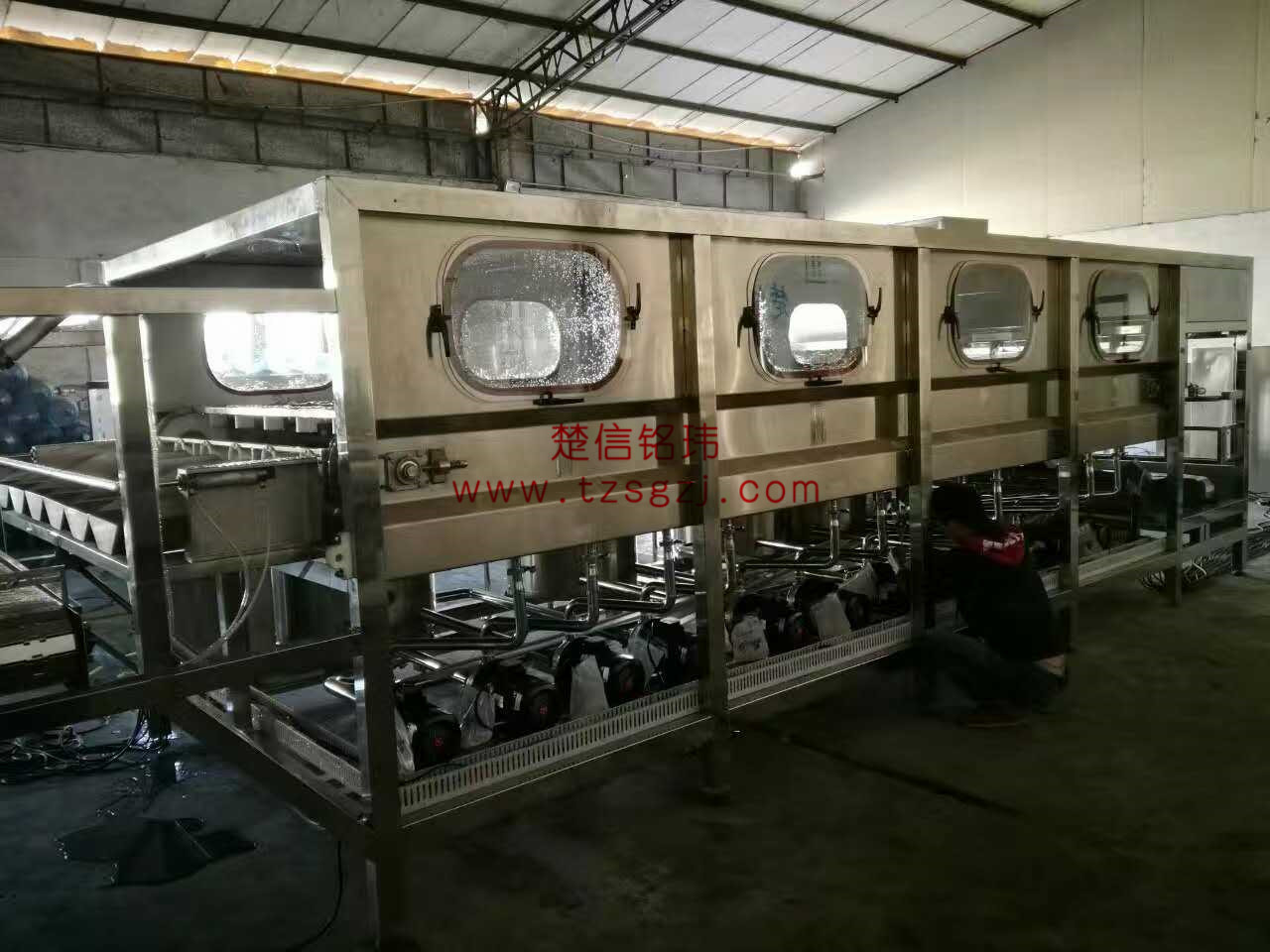
Fully Automatic Bottled Purified Water Filling Production Line
Chuxin Mingwei’s customized fully automatic bottled purified water filling production li...
Bottled Spring Water Filling Production Line
Chuxin Mingwei’s customized bottled spring water filling production line is specifically...
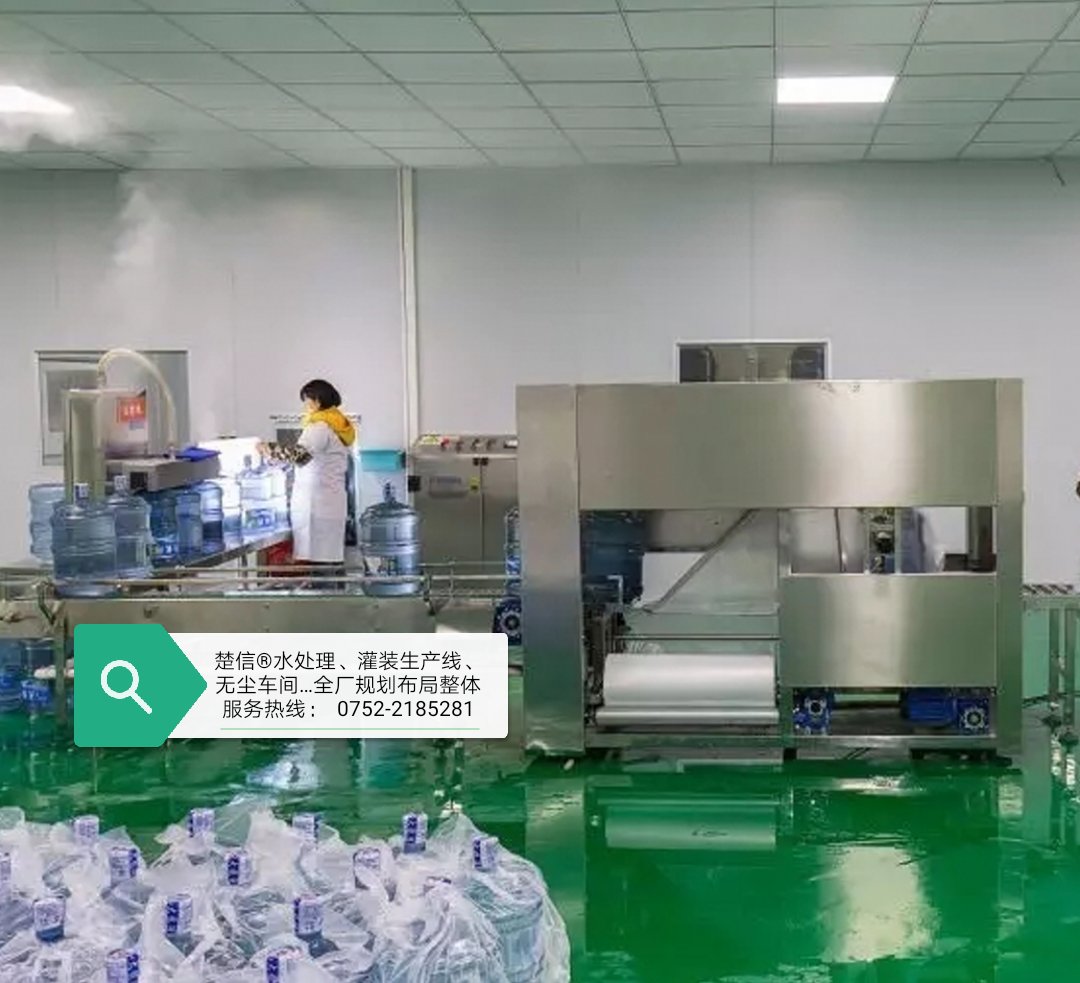
Clean Air Purification Systems
Custom-engineered air purification systems for water bottling and barrelled water fillin...