
Why Testing a Bottled Purified Water Filling Line at Peak Speed Alone Misrepresents Real Production Capacity
Why Testing a Bottled Purified Water Filling Line at Peak Speed Alone Misrepresents Real Production Capacity
When evaluating a replacement or upgrade for a bottled purified water filling line, many procurement and operations teams focus on peak output speed during acceptance testing. However, this approach often fails to reflect actual production performance in real-world conditions.
The Core Myth: Peak Speed Equals Real Capacity
Myth: A filling line that achieves 2,500 bottles/hour at maximum speed under ideal conditions is considered fully capable of meeting daily production targets.
Reality: This ignores critical operational variables such as changeovers between bottle sizes, cleaning-in-place (CIP) cycles, and integration with downstream packaging systems like barrel wrapping or cartoning. Ignoring these factors leads to over-optimistic capacity projections and potential bottlenecks post-installation.
Why Full-Cycle Testing Is Essential
A true assessment of production capacity must include:
- Changeover time
- between different bottle types (e.g., 5 L vs. 18.9 L)
- CIP cycle duration
- required after each production run
- Integration with real packaging workflows, including labeling, shrink-wrapping, and palletizing
Without validating these elements, even a high-performing line may fall short of expected throughput when deployed in an actual plant environment.
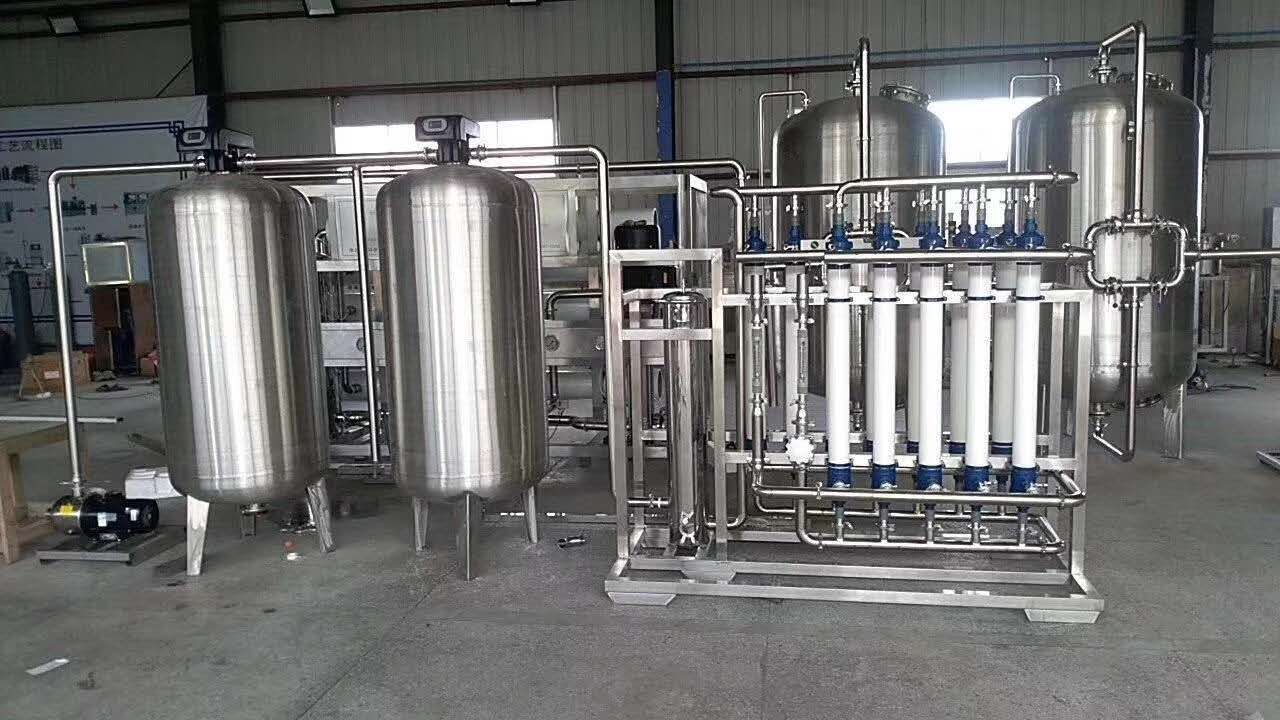
Case Context: Replacing Legacy Systems in Beverage Manufacturing
In a recent evaluation by a beverage manufacturer in Guangdong, a proposed upgrade to a fully automatic bottled purified water filling production line was initially approved based on a reported output of 2,500 bottles/hour. However, during pilot testing, the line consistently delivered only 1,600–1,800 bottles/hour when accounting for:
- 15-minute changeover between 5 L and 18.9 L bottles
- 45-minute CIP cycle per shift
- Integration with a semi-automatic barrel-wrap packaging machine
This discrepancy highlighted the need for comprehensive OEE validation—not just peak speed.
Key Technical Facts from Chuxin Mingwei’s Solution
The Fully Automatic Bottled Purified Water Filling Production Line offered by Huizhou Chuxin Mingwei Industrial Co., Ltd. includes the following verified technical specifications:
- Rated Capacity: 200–2,500 bottles/hour (customizable)
- Core Purification Process: Multi-media + activated carbon + dual-stage RO + ozone + UV (254 nm) sterilization
- Integrated Workflow: Synchronized bottle washing, filling, capping, and inspection — minimal manual intervention required
These features are designed to support stable, long-term operation—but their effectiveness depends on how well they perform across full production cycles, not just under ideal conditions.
Practical Steps for Validating Real Capacity
To ensure accurate capacity assessment during system replacement or upgrade:
- Define Test Scenarios: Simulate real production sequences including changeovers, CIP, and packaging integration.
- Measure Actual Throughput: Record average output over multiple full cycles, not just peak runs.
- Verify Equipment Compatibility: Confirm that the filling line interfaces correctly with existing or planned packaging equipment, such as a barrel-wrap machine.
- Review Delivery Scope: Ensure that the vendor’s quote includes full-process commissioning, operator training, and post-installation support for troubleshooting.
️ Note: Performance claims should be validated against actual project conditions. Specific outputs depend on source water quality, facility layout, and operational protocols.
Conclusion: Move Beyond Peak Speed Metrics
For enterprise decision-makers overseeing water treatment and filling line upgrades, relying solely on peak speed during acceptance testing risks misjudging system capability. True production capacity emerges only when testing includes changeovers, CIP cycles, and real packaging workflows.
Chuxin Mingwei’s solution is engineered for site-specific applicability, but its success hinges on proper validation under realistic operating conditions. Always verify performance across full operational cycles before finalizing any replacement project.
Next Step: Request a Customized OEE Validation Plan
If you're planning a system upgrade or replacement, contact Chuxin Mingwei to receive a tailored OEE validation framework aligned with your production schedule, bottle formats, and packaging setup.
Request a Capacity Validation Assessment
Recommended
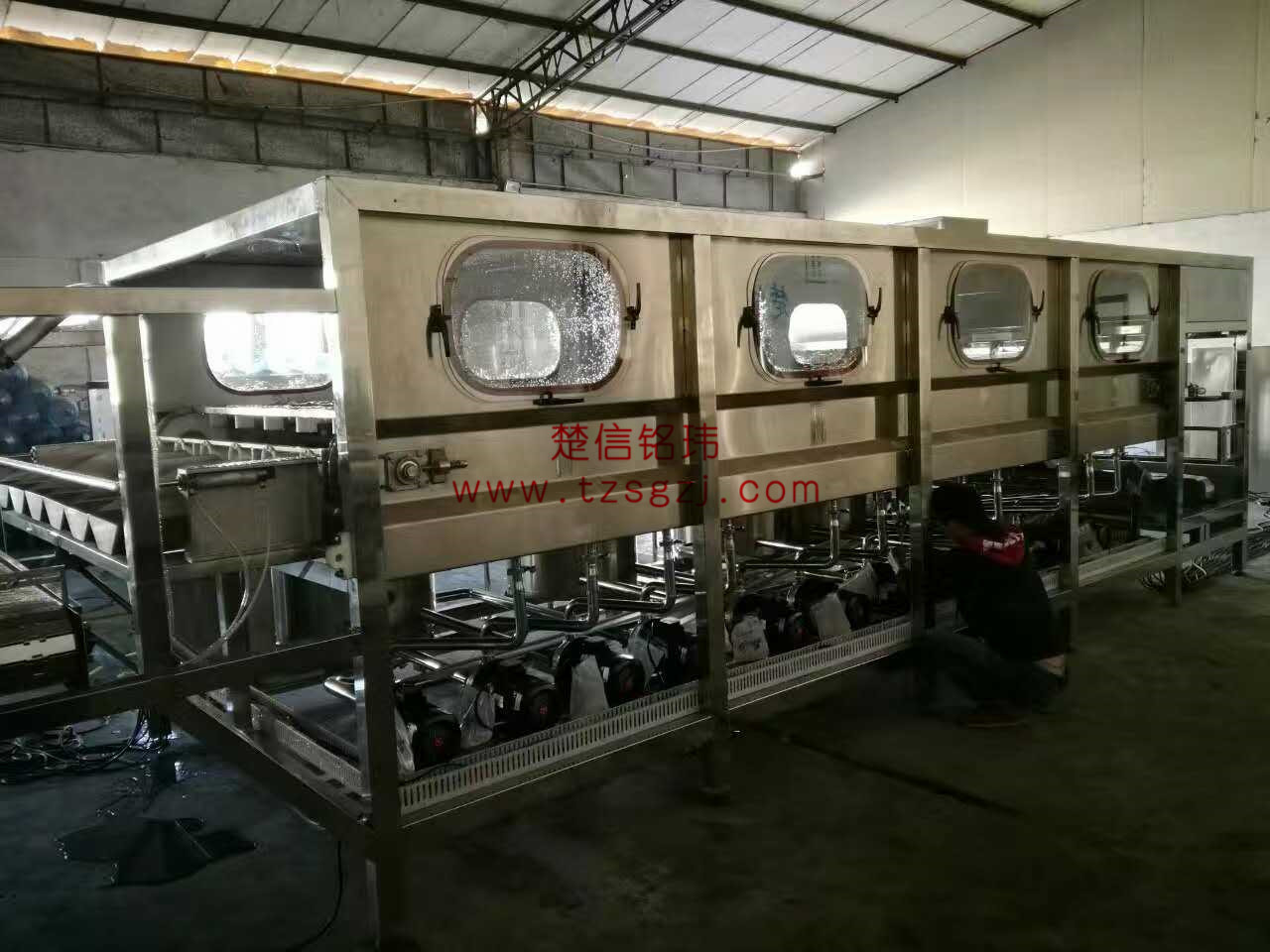
Fully Automatic Bottled Purified Water Filling Production Line
Chuxin Mingwei’s customized fully automatic bottled purified water filling production li...
Bottled Spring Water Filling Production Line
Chuxin Mingwei’s customized bottled spring water filling production line is specifically...
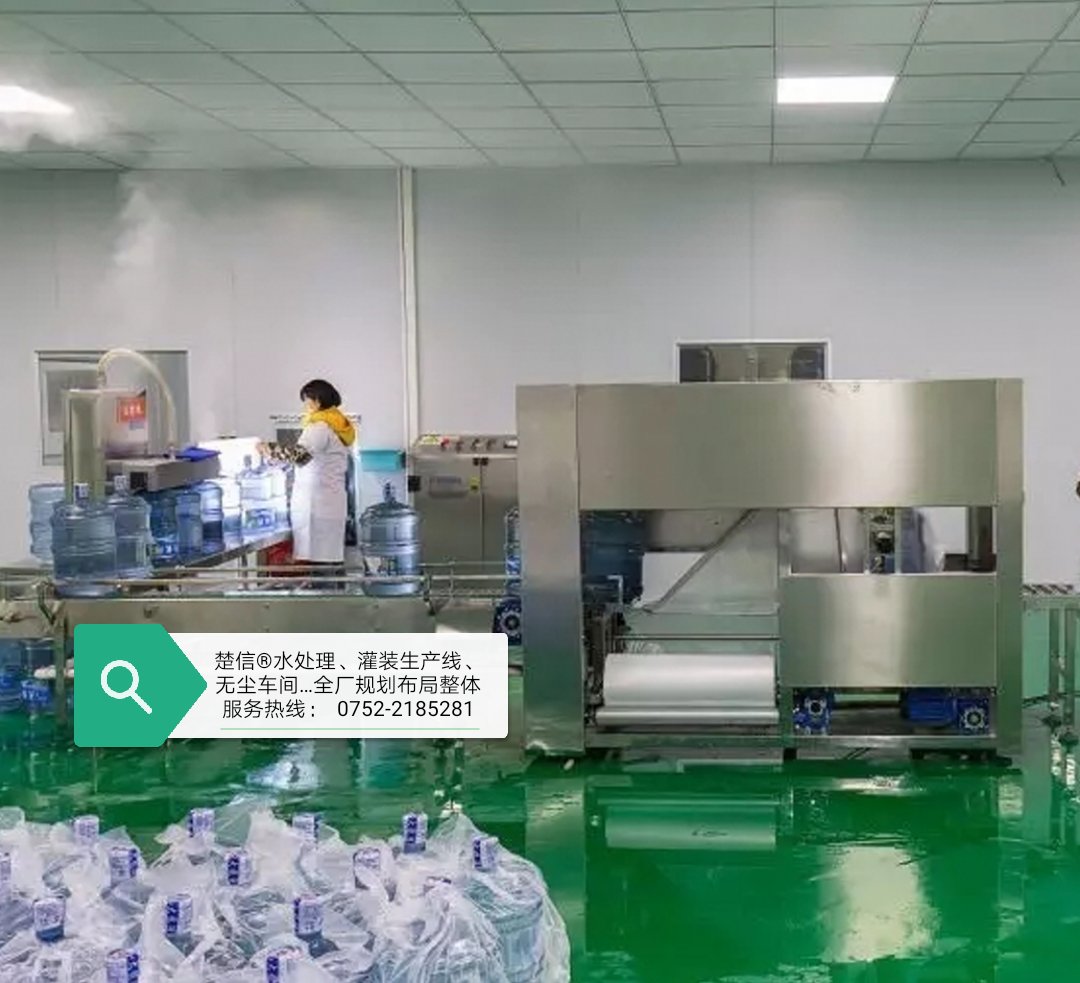
Clean Air Purification Systems
Custom-engineered air purification systems for water bottling and barrelled water fillin...